
How to Tell if Dried Coconut Chips are Still Fresh
How to Identify Fresh vs. Spoiled Dried Coconut Chips
Dried coconut chips last about 6–9 months in a sealed container in the pantry.
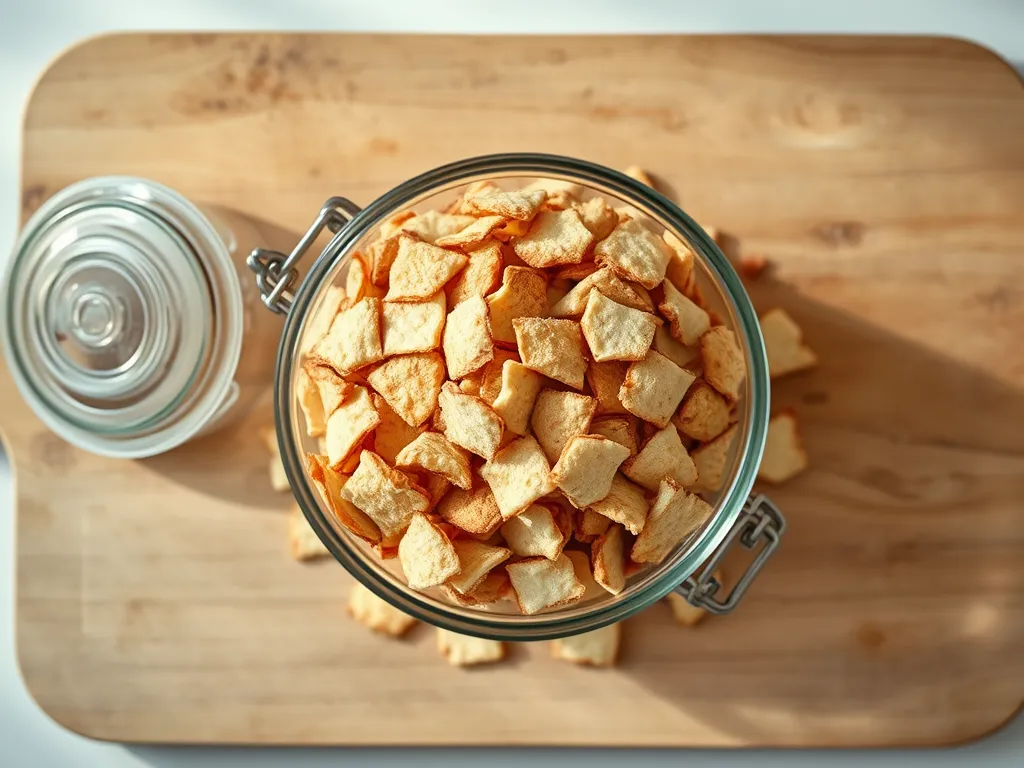
Dried coconut chips are a versatile pantry staple, offering a chewy texture and tropical flavor to granola, salads, and baked goods. Because they are dried, their shelf life is significantly longer than fresh coconut meat. However, environmental factors like humidity and heat can affect their quality over time. To maintain that signature bite, proper storage is key. When kept in an airtight container away from direct sunlight, these chips remain a reliable ingredient for months. If you notice changes in texture or aroma, it might be time to refresh your supply.
Heads up: shelf-life ranges are estimates based on home storage. We make no guarantee of accuracy. When unsure, throw it out.
The full timeline
Month 1 (Peak Fresh)
0–1 month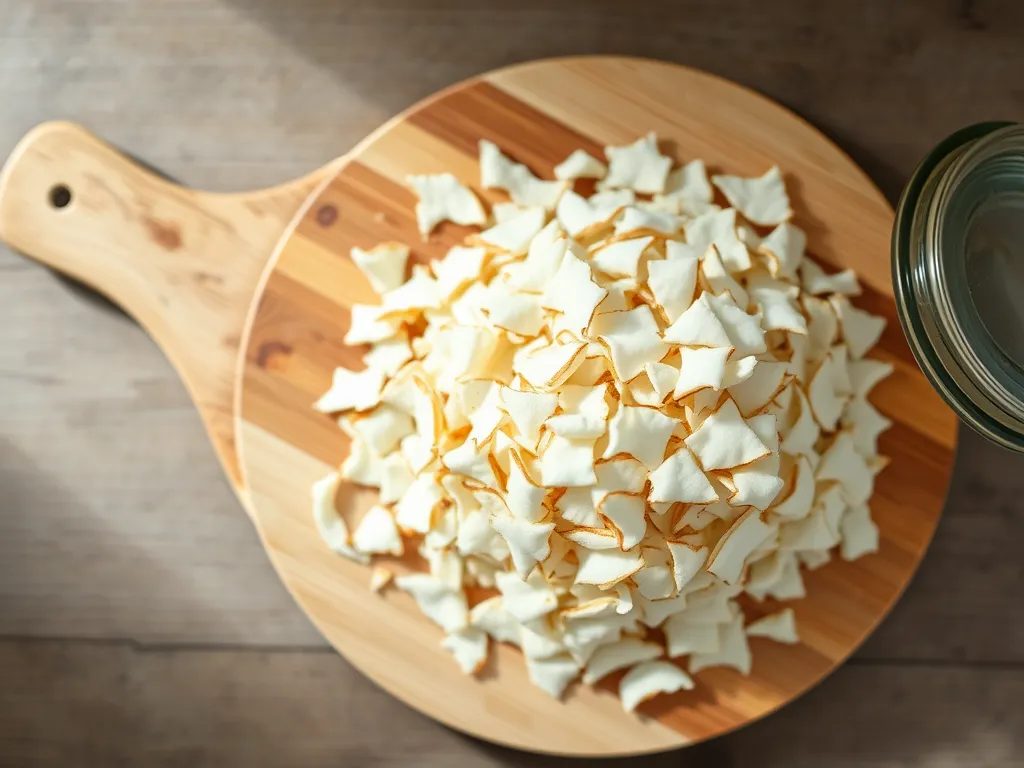
- Firm, crisp texture
- Pale white or light cream color
- Sweet, nutty aroma
- Store in an airtight container
- Use for baking or snacking
Month 3 (Still Good)
2–4 months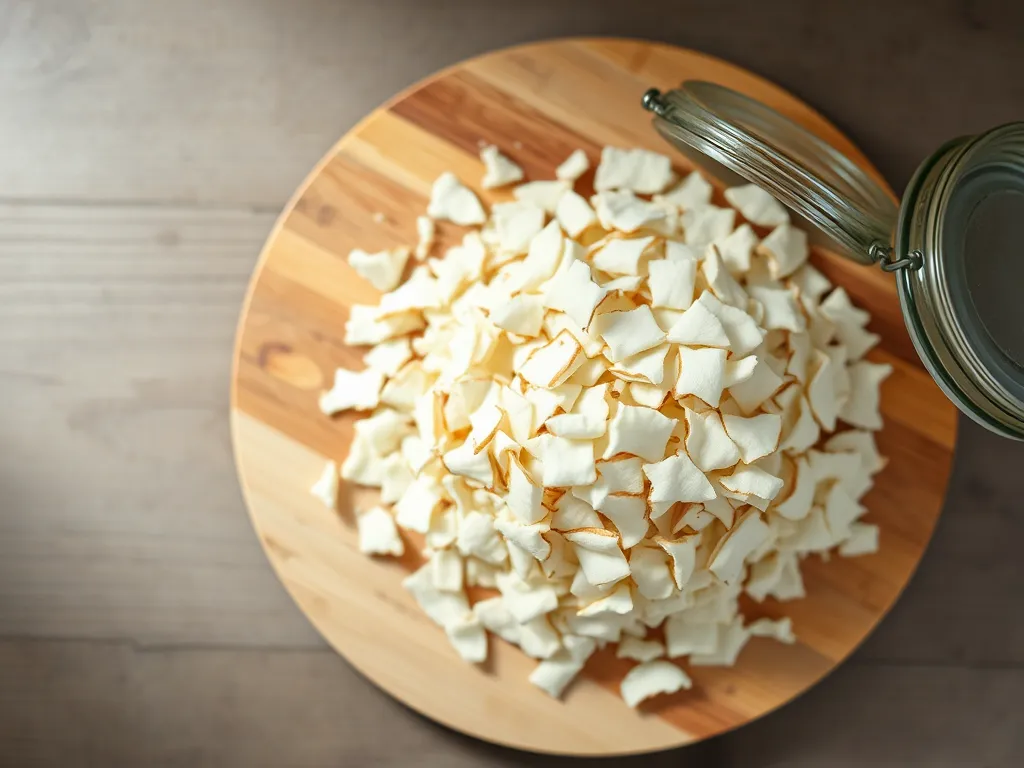
- Slightly chewy texture
- Consistent color throughout
- Mild, characteristic aroma
- Keep in a cool, dry place
- Incorporate into granola or yogurt
Month 6 (Caution)
5–7 months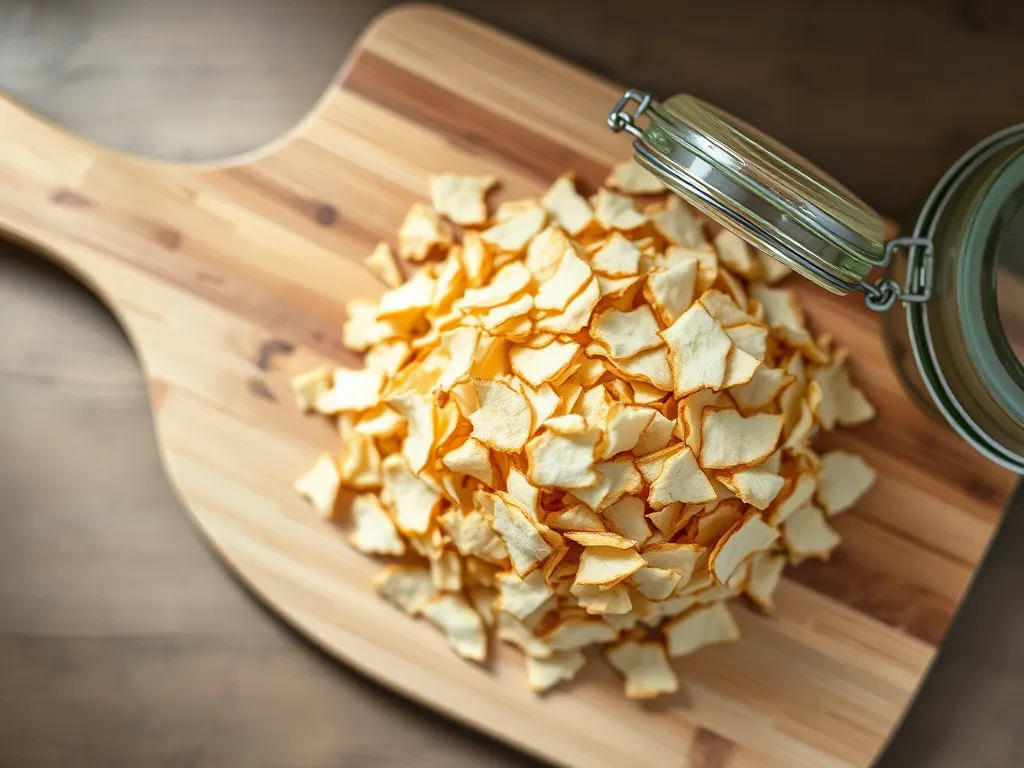
- Noticeable softness or limpness
- Faint musty smell
- Slight yellowing of the flakes
- Check carefully for mold
- Use quickly in recipes
Month 9 (Unsafe)
8+ months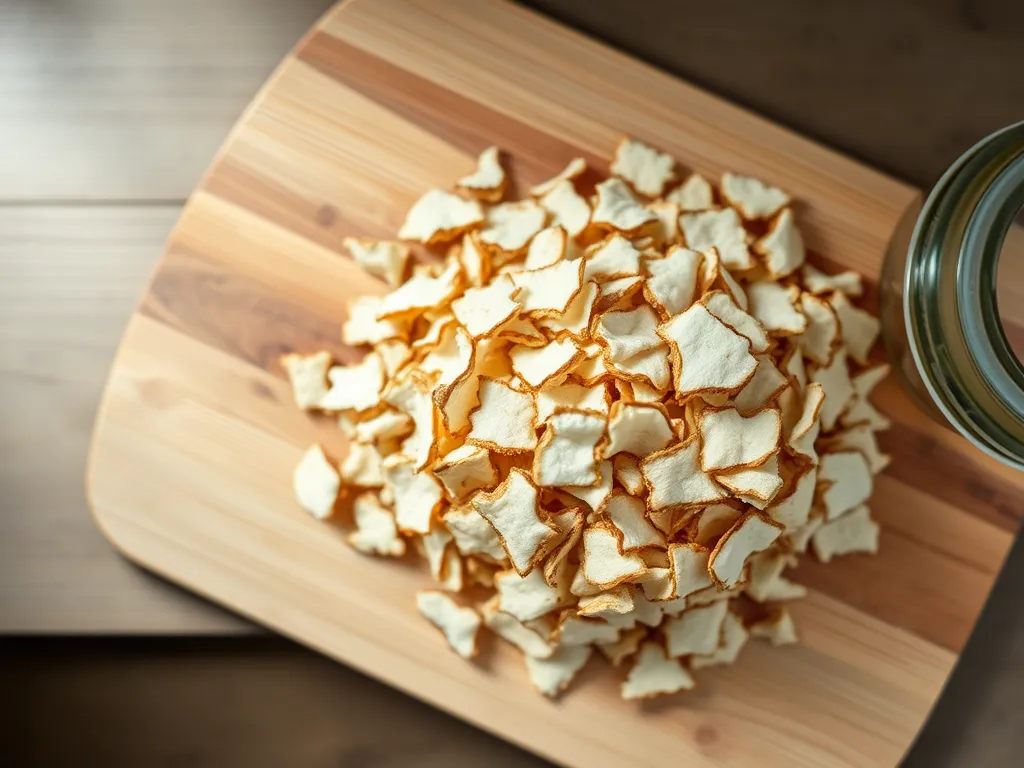
- Sticky surface texture
- Strong musty or rancid odor
- Visible dark spots or mold
- Discard immediately
- Toss in the trash
Common questions
How long do dried coconut chips stay fresh?
Dried coconut chips typically last about 6–9 months when stored in a sealed container in a pantry. To maintain their quality, keep them in an airtight container to prevent moisture and air from affecting the texture.
Can I freeze dried coconut chips to extend their shelf life?
Yes, freezing can extend the life of these items. If kept in an airtight bag or container, they can stay fresh for up to a year. Freezing is an excellent way to preserve the crunch if you do not plan on using them within the 6–9 month pantry window.
Why do my coconut chips feel soft instead of crunchy?
Softness usually indicates that the fats in the coconut have begun to oxidize or the pieces are absorbing moisture from the air. Keeping them in a properly sealed container helps maintain their signature crunch.
Is it safe to eat coconut that smells a bit musty?
No, you should not eat it. A musty smell often indicates the presence of mold or bacterial growth. It is safer to discard any product with an off-odor.

Keep your tropical treasures in a sealed jar to maintain that perfect crunch for months!