
How to Tell if Daikon Radish is Still Fresh
How to tell if your daikon radish is still fresh
Daikon radish stays fresh in the refrigerator for about 3–4 weeks.
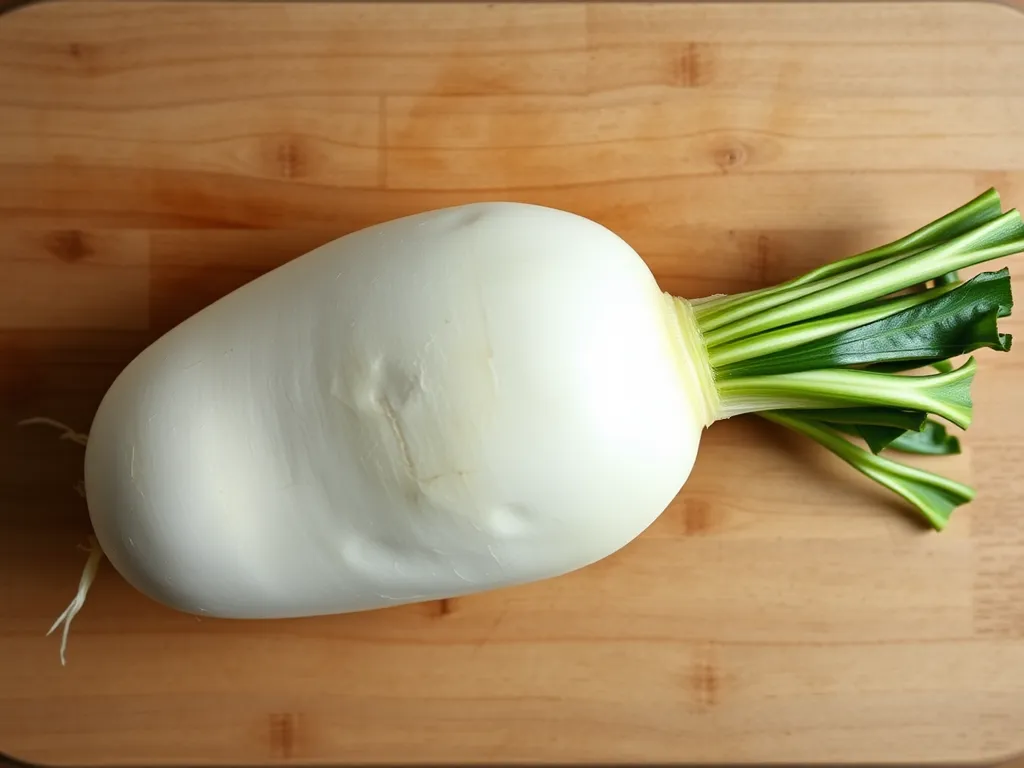
The daikon radish is a staple in many cuisines, prized for its crisp texture and mild, slightly peppery flavor. Because of its dense structure and large size, it holds up well during storage compared to more delicate root vegetables. However, like all produce, it can eventually lose its crunch or develop soft spots if left too long in a humid environment. Knowing how to spot the early signs of decline ensures you only use the best pieces for your pickles, salads, or stir-fries. Monitoring the texture and skin appearance is the most reliable way to determine if your radish is still at peak quality or has begun to spoil.
Heads up: shelf-life ranges are estimates based on home storage. We make no guarantee of accuracy. When unsure, throw it out.
The full timeline
Week 1 (Peak Fresh)
1 week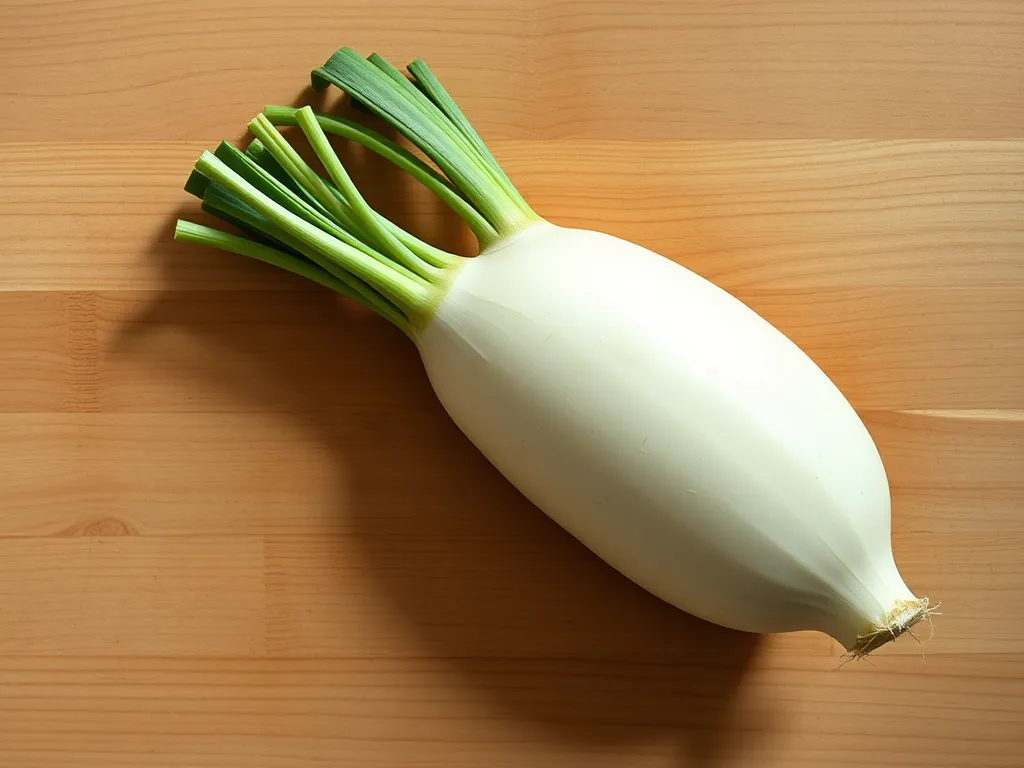
- Firm and rigid texture
- Smooth, white skin
- No visible blemishes or soft spots
- Store in the crisper drawer
- Slice for salads or pickles
Week 2 (Still Good)
1-2 weeks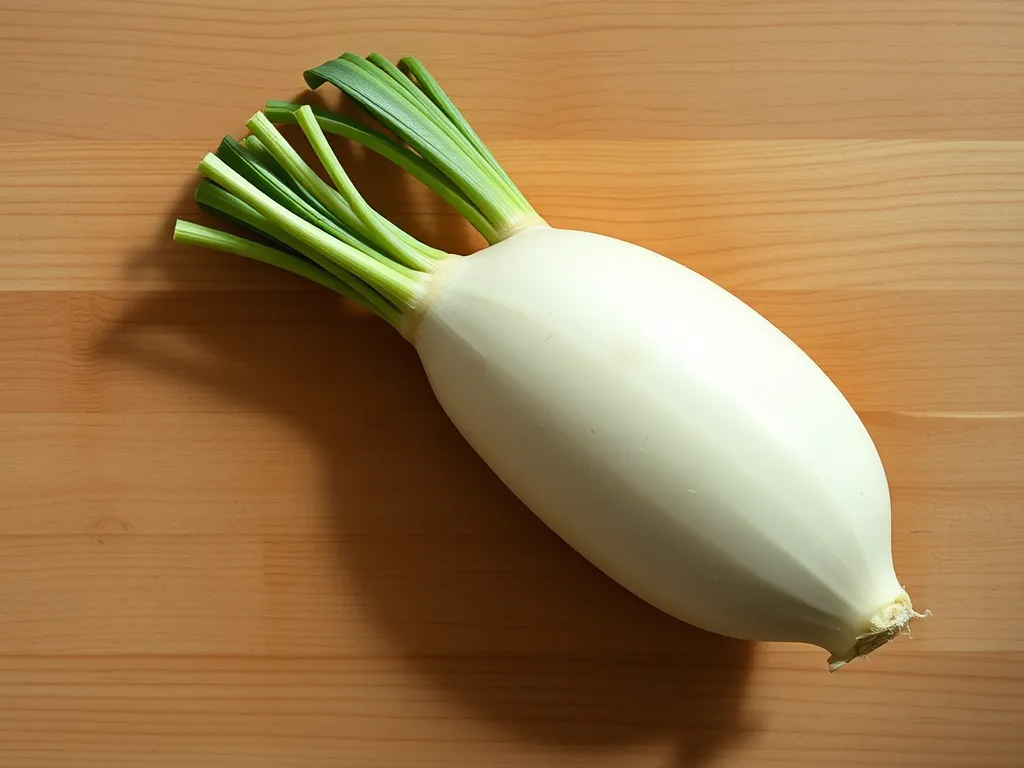
- Slightly duller skin luster
- Firm texture remains consistent
- Surface is dry and free of moisture
- Use in stir-fries
- Pickle or ferment
Week 3 (Caution)
3 weeks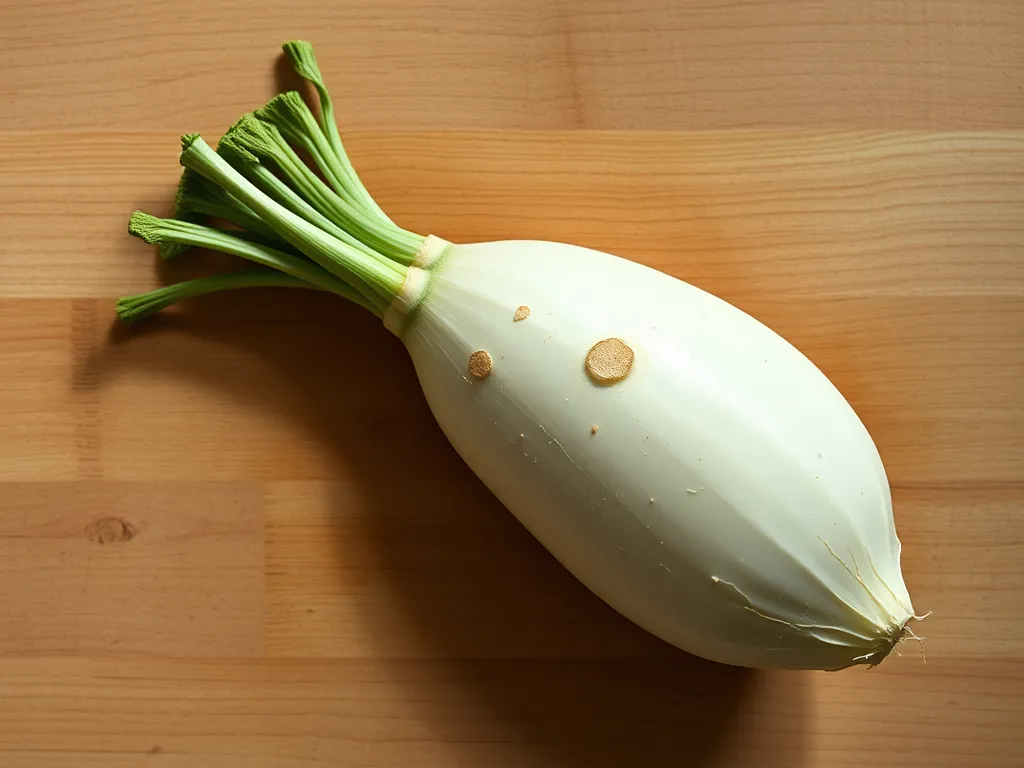
- Soft spots appearing on the skin
- Texture feels slightly limp
- Minor wrinkling of the surface
- Incorporate into soups
- Simmer in stews
Week 4 (Unsafe)
4 weeks+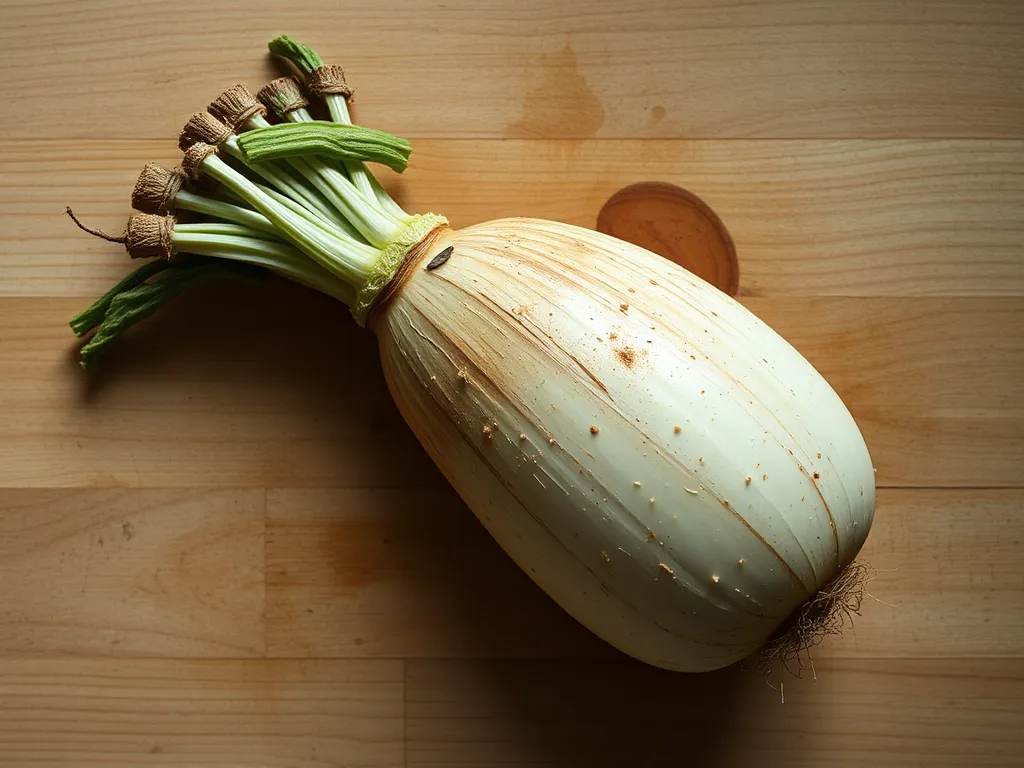
- Mushy or spongy texture
- Dark discoloration on skin or flesh
- Slimy or slippery surface feel
- Discard immediately
Common questions
How long can I keep daikon radish in the refrigerator?
Daikon radish stays fresh in the refrigerator for about 3–4 weeks. To maintain quality, store it in a breathable bag or wrapped in a damp cloth to manage moisture.
Can I still eat a daikon radish if it has a small soft spot?
Yes, you can cut away the specific soft area. If the remaining flesh is firm and smells normal, it is safe to use in cooked dishes.
Why does my daikon radish get slimy?
Sliminess is a sign of bacterial growth or significant cellular breakdown. Discard any radish that feels slippery or slimy to the touch.
Can I freeze daikon radish for later use?
Yes, you can freeze it. Note that freezing changes the texture, making thawed radish better suited for soups, stews, or stir-fries rather than raw consumption.

Keep your daikons cool and dry! A firm radish makes for a happy chef.