
How Long Does Custard Last on the Counter?
How long does custard last on the counter?
Custard lasts about 2 hours on the counter; after this window, it must be refrigerated or discarded to prevent foodborne illness.
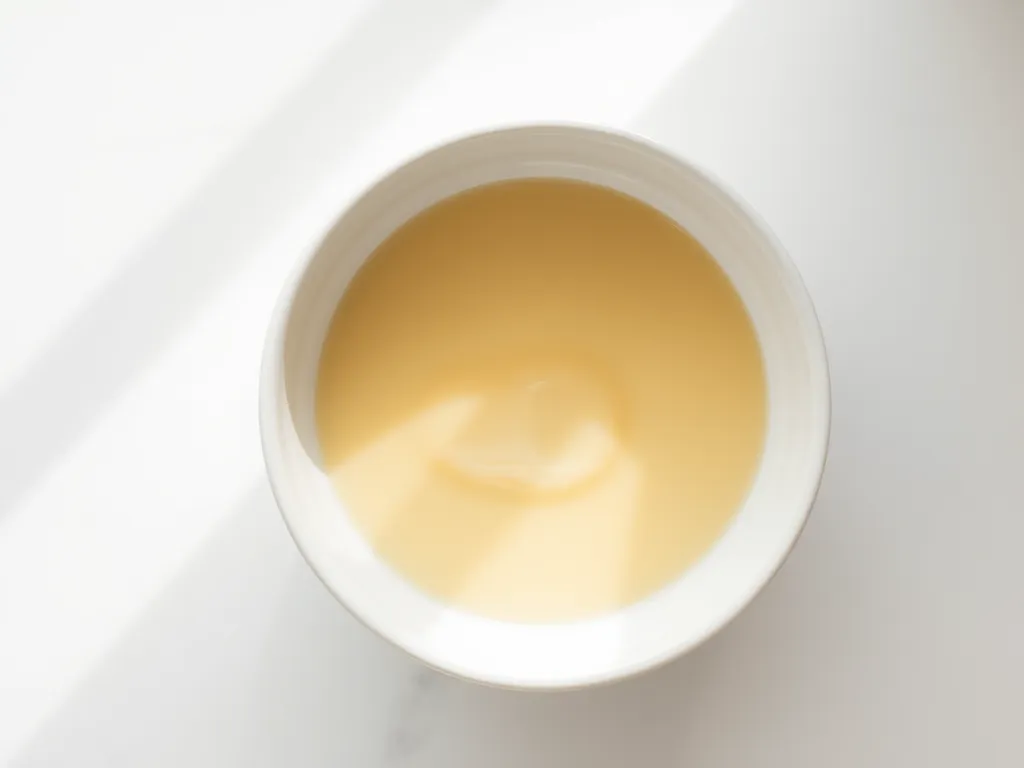
Custard is a dairy and egg-rich food that becomes high-risk when left at room temperature. Because warmth encourages rapid bacterial growth, the safe window for leaving custard on the counter is very short. Beyond this time, the texture can shift from silky to watery or loose, and safety cannot be determined by smell alone. This guide outlines the visual and textural cues to monitor as time passes. For your safety, if custard has been sitting out longer than 2 hours, do not attempt to save it—the safest move is to discard it immediately.
Heads up: shelf-life ranges are estimates based on home storage. We make no guarantee of accuracy. When unsure, throw it out.
The full timeline
Hour 0 (Peak Smooth)
0 hours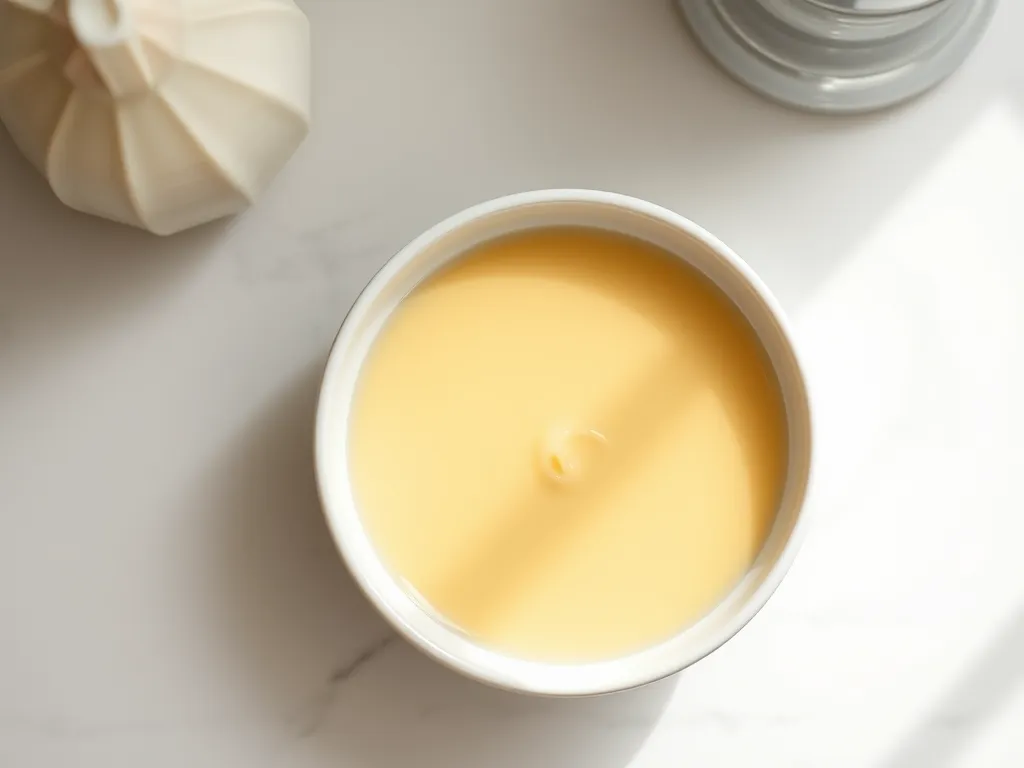
- Glossy, even surface
- Pale yellow color
- No separation or weeping
- Smooth, creamy appearance
- Serve immediately
- Chill promptly if not eating
Hour 1 (Warm Drift)
1 hour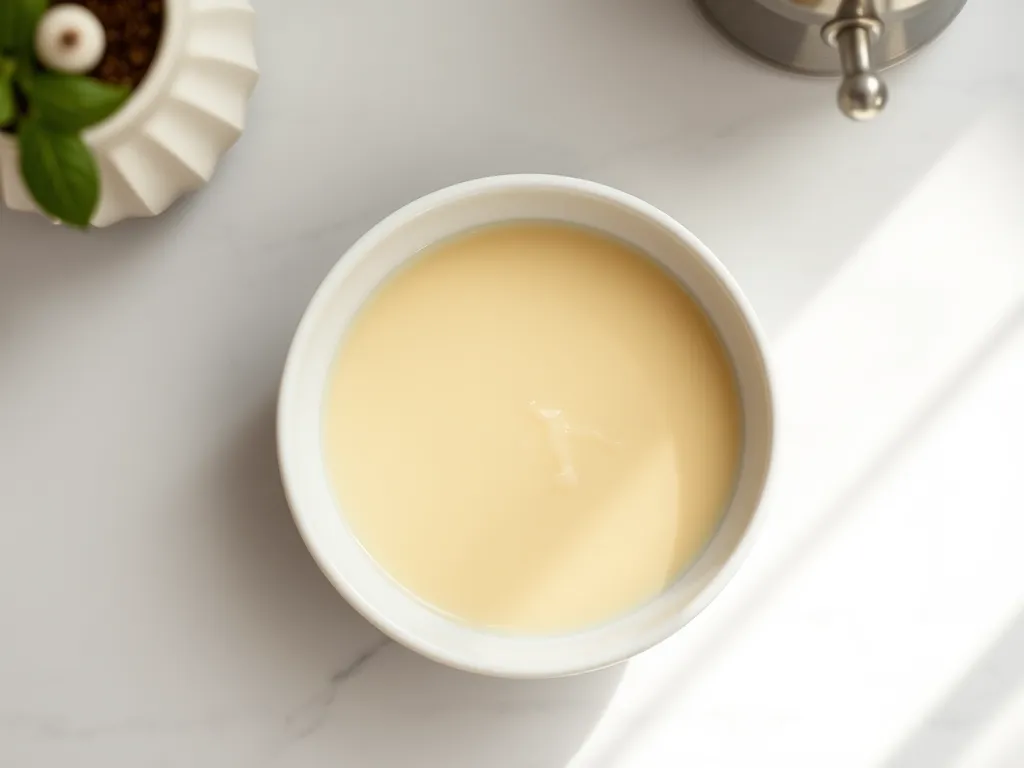
- Smooth texture remains
- Slightly softer consistency
- Minor moisture beading on surface
- Even color throughout
- Refrigerate
- Consume soon
Hour 2 (Tipping Point)
2 hours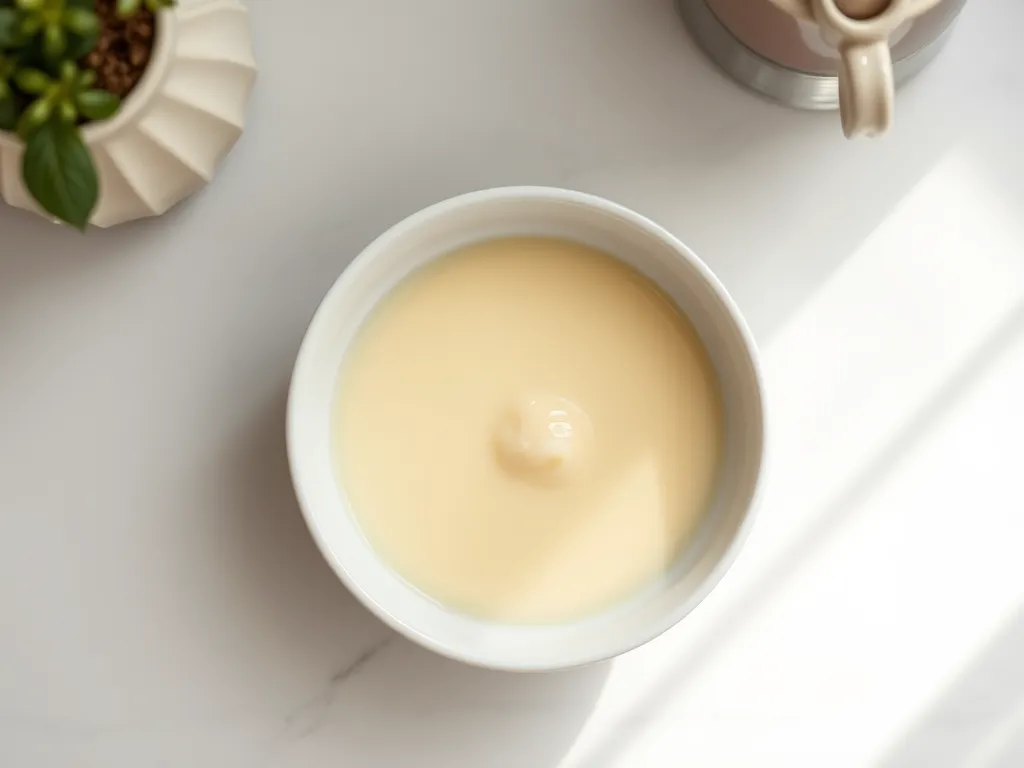
- Loose or runny texture
- Thin watery sheen on top
- Edges beginning to slump
- Faint sour odor
- Refrigerate immediately
- Discard if texture is compromised
Hour 3–4 (Too Warm)
3–4 hours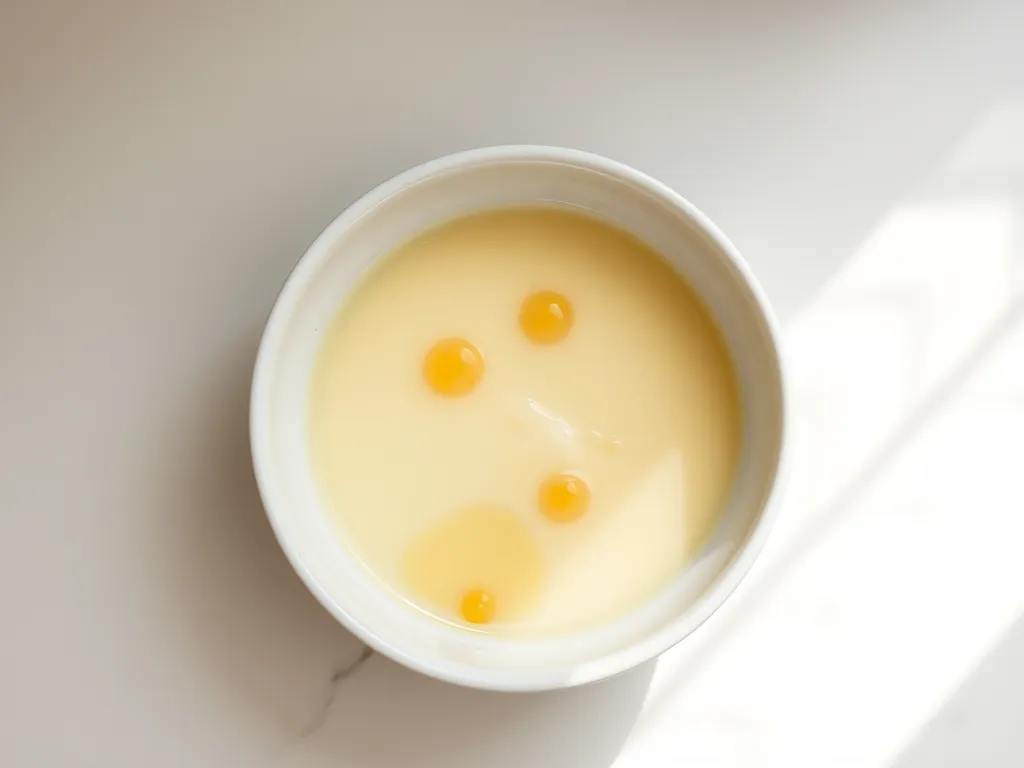
- Noticeable separation of liquid and solids
- Watery pooling in the bowl
- Lumpy or broken appearance
- Sour or eggy smell
- Discard immediately
Day 1 (Spoiled Set)
1 day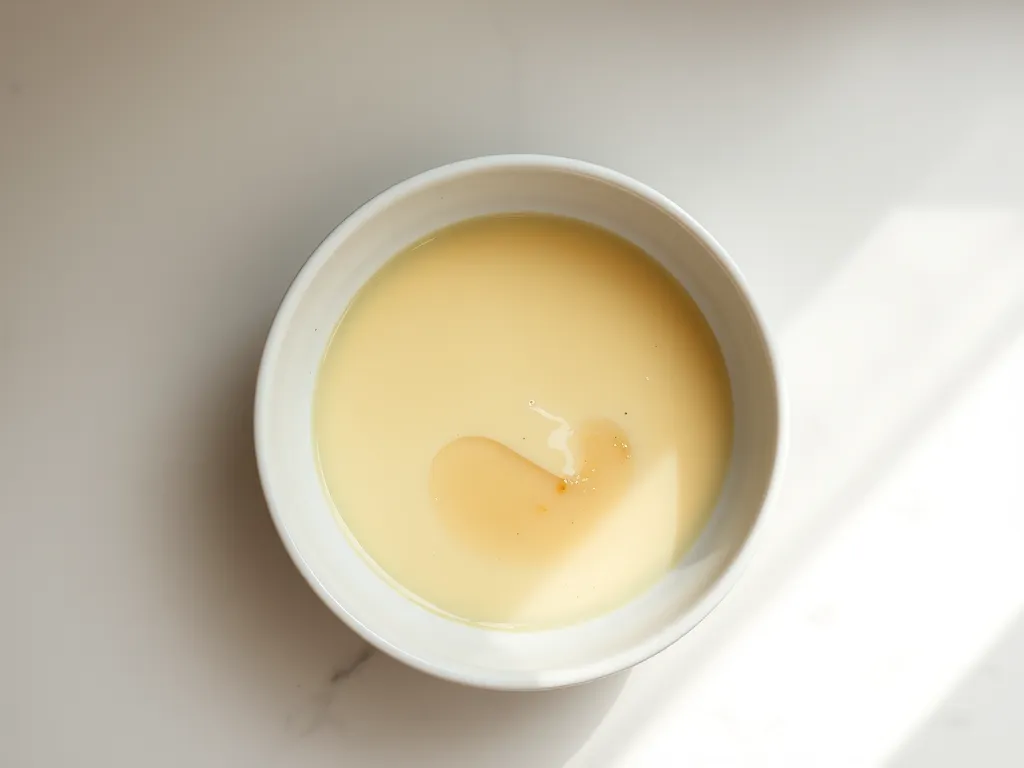
- Collapsed structure
- Visible liquid on top
- Potential mold growth
- Strong, unpleasant odor
- Discard immediately
Common questions
Can I leave custard out on the table while serving?
Yes, but only for a maximum of 2 hours. To prevent spoilage, keep it covered and move any leftovers to the refrigerator immediately after service.
Is it safe to eat custard that smells fine but was left out too long?
No. Because custard is a high-risk dairy and egg product, bacteria can grow to unsafe levels without changing the smell or appearance. If it has exceeded 2 hours on the counter, discard it.
Can I reheat spoiled custard to make it safe?
No. Reheating may kill some bacteria, but it cannot neutralize toxins produced by certain bacteria and will not fix a broken or spoiled texture.
What is the best way to store leftover custard?
Transfer leftovers to an airtight container and refrigerate promptly. Use clean utensils for every serving to prevent cross-contamination.

Custard has a strict 2-hour window on the counter. If it separates, smells sour, or looks watery, toss it.