
How to Tell If Cooked Shrimp Is Bad
How to identify fresh vs. spoiled cooked shrimp
Cooked shrimp lasts 3–4 days in the refrigerator; after this period, it should be discarded.

Cooked shrimp is a high-risk seafood that can appear normal even as spoilage begins, making sensory checks essential for food safety. To maintain quality, keep your cooked shrimp promptly chilled and stored in an airtight container. In the refrigerator, you have a 3–4 day window before the risk of bacterial growth increases significantly. Pay close attention to changes in odor, texture, and color, as these are the most reliable indicators of freshness. Because seafood spoilage can lead to serious foodborne illness, this guide provides specific visual and tactile cues to help you determine if your shrimp is safe to eat or should be thrown away.
Heads up: shelf-life ranges are estimates based on home storage. We make no guarantee of accuracy. When unsure, throw it out.
The full timeline
Day 1 (Fresh And Firm)
0–1 day
- Even pink-orange color
- Moist but not slimy surface
- Plump, springy texture
- Clean, briny scent
- Keep refrigerated in an airtight container
- Use for salads or cold dishes
- Freeze immediately if not using within 24 hours
Day 2 (Still Sound)
1–2 days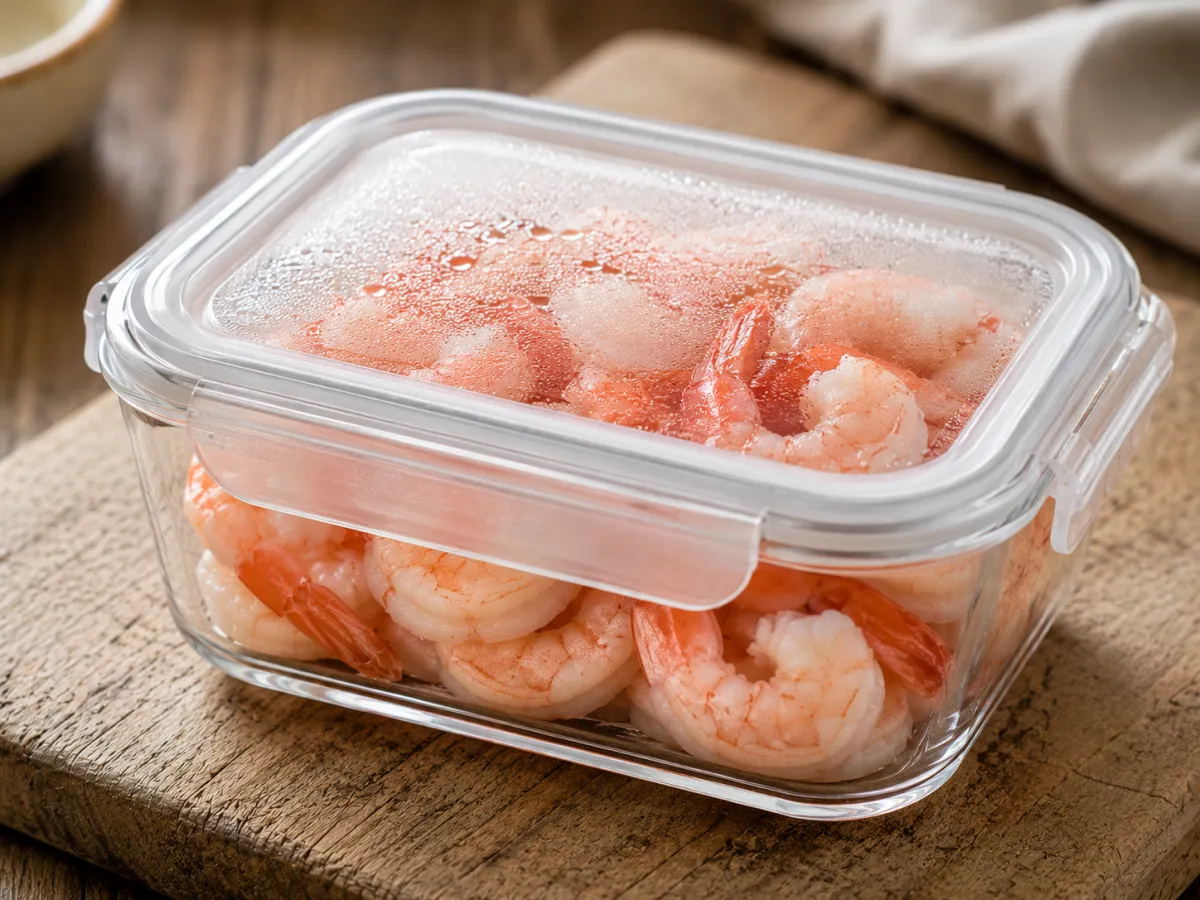
- Bright color without gray patches
- Smooth, moist surface texture
- No ammonia or sour odors
- Maintains firm shape
- Eat chilled or quickly reheated
- Continue refrigeration
- Freeze for later use
Day 3 (Caution Zone)
2–3 days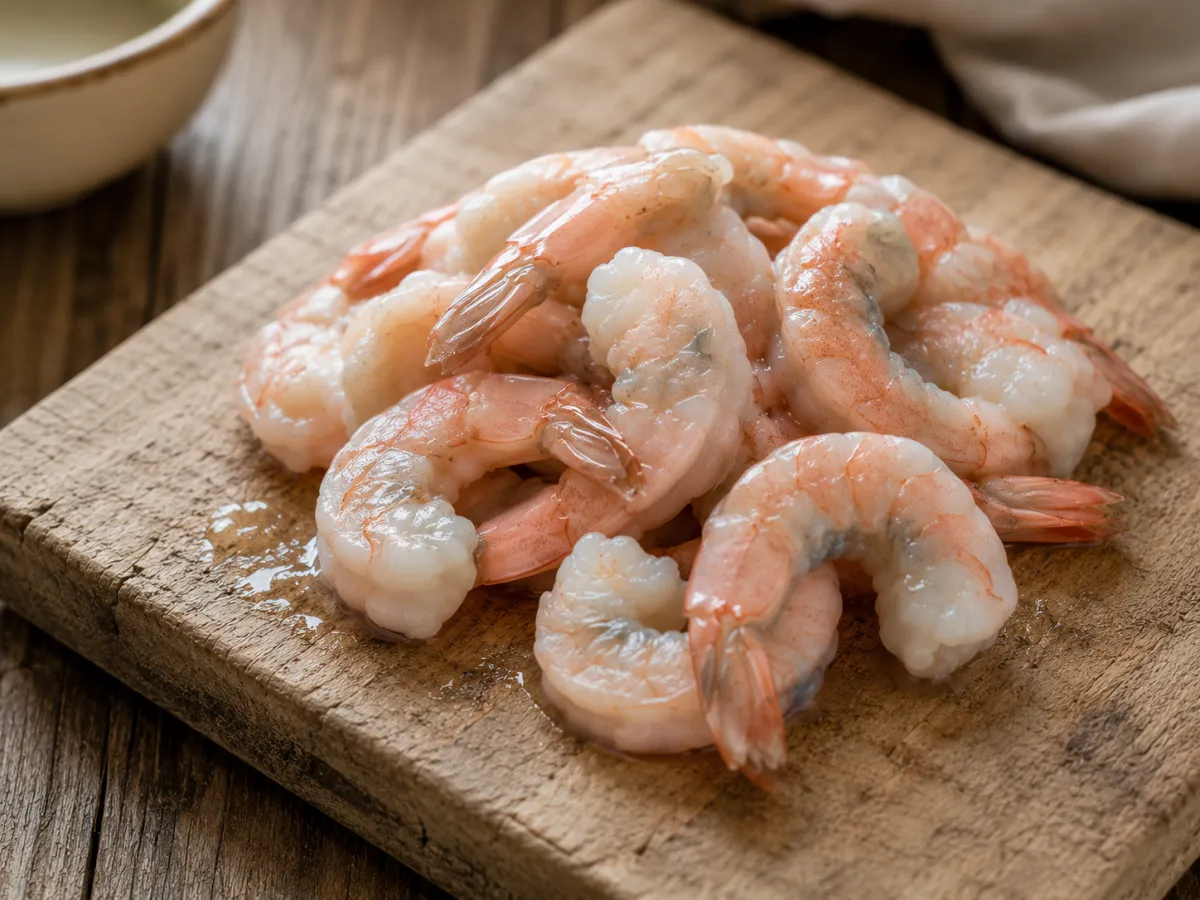
- Dull edges or fading color
- Slightly tacky or sticky surface
- Faint sour odor
- Cloudy liquid in the container
- Inspect closely for any off-scents
- Use only if texture and smell are perfect
- Discard if any doubt exists
Day 4 (Toss Time)
3–4 days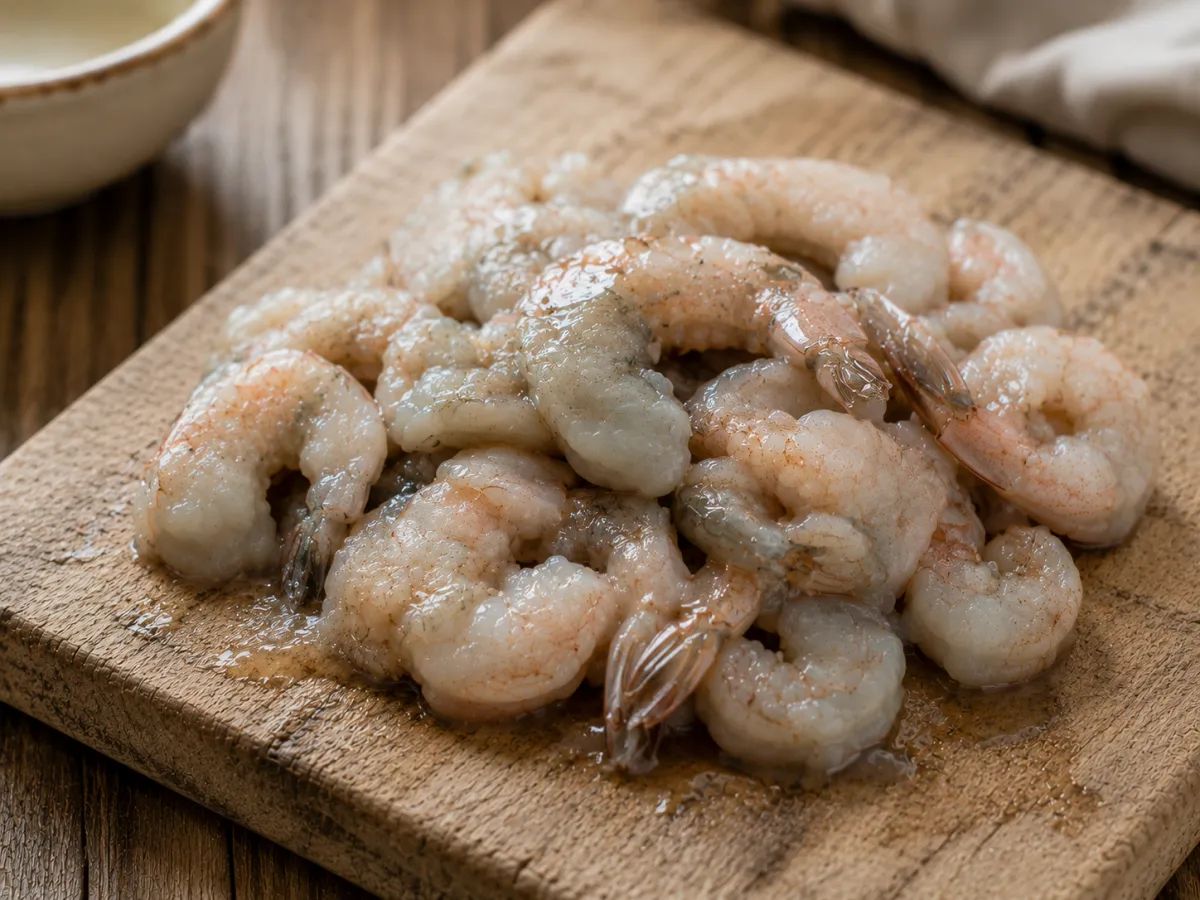
- Strong ammonia or fishy odor
- Slimy, slippery, or mushy texture
- Gray, yellow, or dark discoloration
- Visible mold or cloudy/milky liquid
- Discard immediately
- Toss in the trash
- Do not taste test
Common questions
How long can I keep cooked shrimp in the refrigerator?
Cooked shrimp is safe to eat for 3–4 days when stored in an airtight container in the refrigerator.
Can I freeze cooked shrimp to extend its life?
Yes, freezing extends shelf life beyond the 4-day refrigeration limit, though it may slightly alter the texture of the meat.
Is it safe to eat cooked shrimp that has been left out?
No. Do not leave cooked shrimp at room temperature for more than 2 hours; bacteria grow rapidly in the danger zone.
Will reheating spoiled shrimp make it safe?
No. Reheating does not eliminate the heat-stable toxins produced by certain bacteria in spoiled seafood.
What are the first signs of shrimp spoilage?
The earliest signs include a tacky or slimy surface, a dulling of color, and a faint sour or ammonia-like smell.

Sage's Final Word: For cooked shrimp, rely on your senses. If the texture is slimy, the smell is off, or it has exceeded 4 days in the fridge, discard it immediately.