
How Long Does Coleslaw Last on the Counter?
How long does coleslaw stay safe on the counter?
Coleslaw lasts 2 hours on the counter; after this time, it should be tossed to avoid foodborne illness.

Coleslaw is a high-risk leftover because its ingredients—typically mayonnaise, dairy, or acidic dressings—are highly susceptible to rapid bacterial growth at room temperature. While the vinegar in some recipes provides a slight buffer, it does not make the dish shelf-stable. Once coleslaw sits outside the refrigerator, the texture degrades as salt and acid draw moisture out of the cabbage, creating a watery environment where pathogens thrive. To ensure food safety, treat coleslaw like any other perishable salad: keep it chilled until serving and discard it if it has been sitting at room temperature for more than two hours.
Heads up: shelf-life ranges are estimates based on home storage. We make no guarantee of accuracy. When unsure, throw it out.
The full timeline
Hour 0 (Fresh Tossed)
at serving time
- Cabbage shreds are crisp and firm
- Dressing is creamy and evenly distributed
- Colors appear bright without browning
- No liquid has pooled at the bottom of the bowl
- Serve immediately
- Refrigerate if not eating yet
- Store in an airtight container
Hour 1 (Warm Drift)
1 hour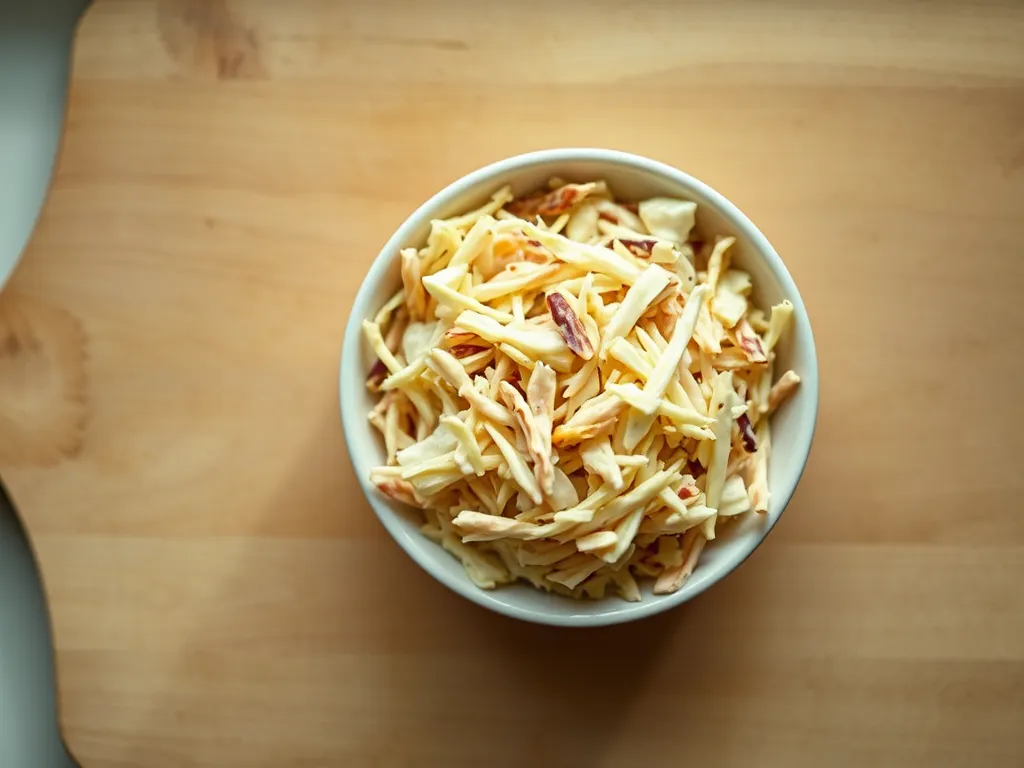
- Texture is beginning to soften
- Dressing maintains a cohesive sheen
- No sour odors or liquid separation visible
- Consume soon
- Transfer to the refrigerator
- Cover tightly to prevent drying
Hour 2 (Borderline Zone)
2 hours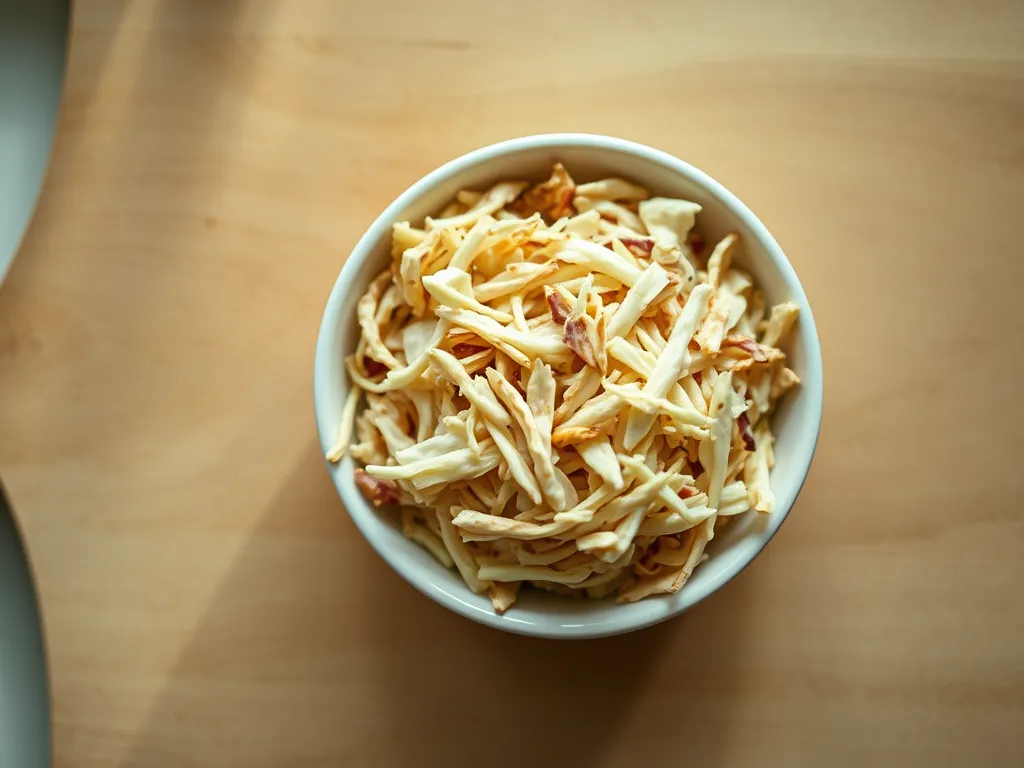
- Cabbage looks wilted and limp
- Dressing has begun to pool or separate
- Flavor may taste slightly off or overly acidic
- Discard immediately
- Do not consume
- Avoid further refrigeration attempts
Hour 4 (Spoiled Risk)
4 hours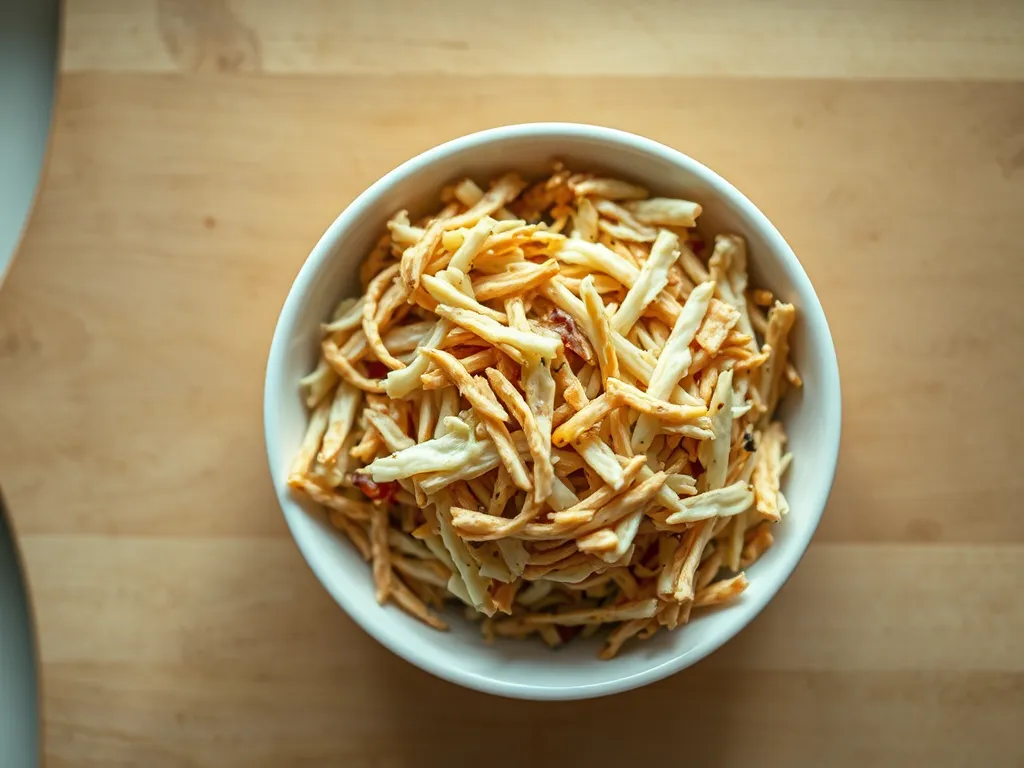
- Vegetables appear soggy and collapsed
- Dressing has separated into watery patches
- A sour or stale smell is detectable
- Color appears dull, gray, or uneven
- Toss in the trash
- Discard all remaining portions
Common questions
How long can coleslaw sit out on the counter?
Coleslaw should be discarded after 2 hours of sitting at room temperature. This limit applies to all varieties, including those made with vinegar-based dressings.
Is it safe to refrigerate coleslaw that has been out for 3 hours?
No. Once coleslaw has exceeded the 2-hour window at room temperature, refrigeration will not kill or remove bacteria that may have developed. It must be tossed.
What are the visible signs of spoiled coleslaw?
Look for watery liquid pooling in the bowl, limp or mushy cabbage, a dull/grayish color, and any sour or unpleasant odor.
How should I store leftover coleslaw?
Place leftovers in an airtight container and keep them in the refrigerator. This helps maintain texture and extends freshness for a few days.

Coleslaw has a very short window of safety on the counter. Once it hits the 2-hour mark, prioritize food safety and discard any leftovers.