
How to Tell If Canned Tuna Has Gone Bad
Spotting spoilage in sealed and opened cans before it becomes a problem
Unopened canned tuna lasts 3–5 years in the pantry; once opened, refrigerate and use within 3–4 days.
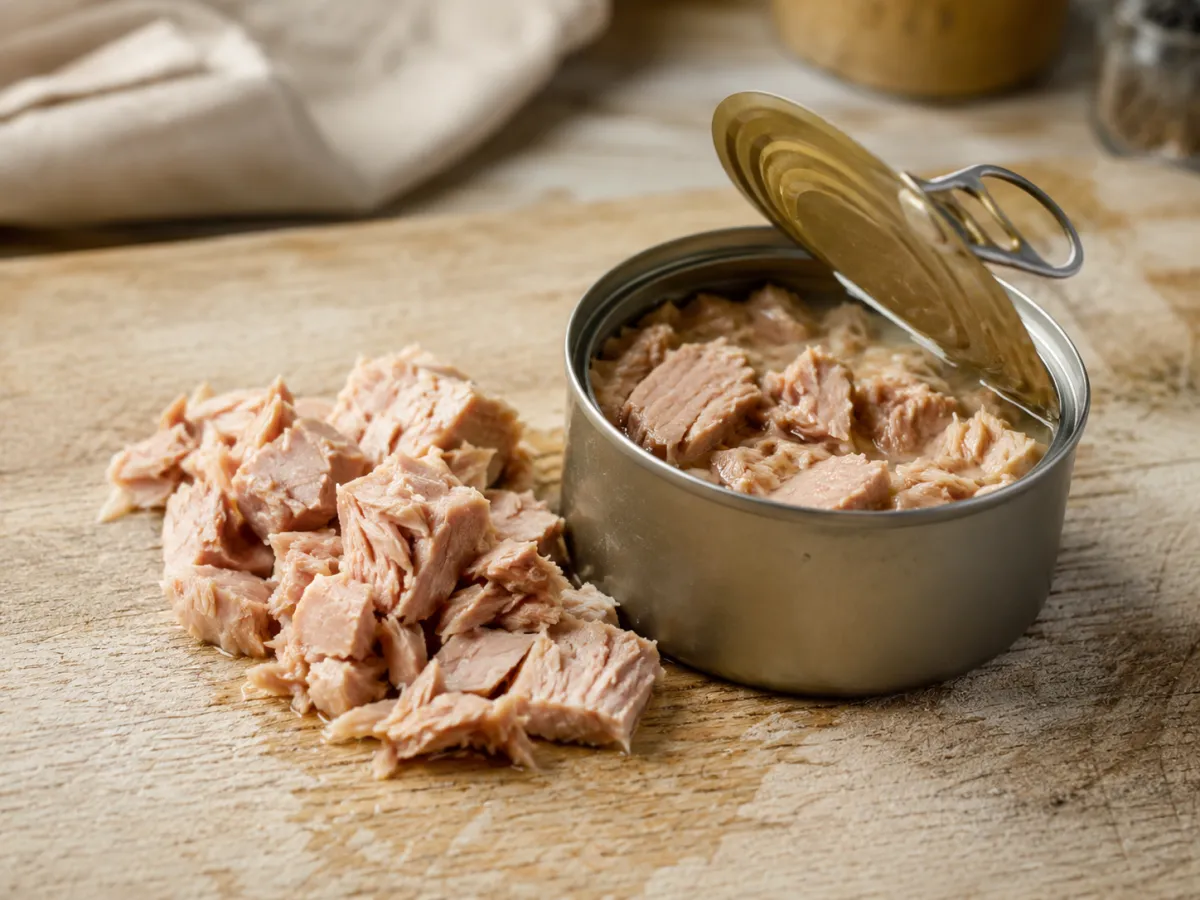
Canned tuna is a pantry staple that earns its reputation for longevity — an unopened can sits comfortably on the shelf for years. But longevity is not the same as invincibility. A dented seam, a bulging lid, or a whiff of something sharper than the usual briny smell can all signal trouble. Knowing how to read those cues is the difference between a quick, safe lunch and a regrettable afternoon. This guide walks through every stage of canned tuna's life, from a pristine sealed can to the point where it belongs in the bin, so you can make a confident call every time.
Heads up: shelf-life ranges are estimates based on home storage. We make no guarantee of accuracy. When unsure, throw it out.
The full timeline
Year 1–3 (Peak Pantry)
1–3 years sealed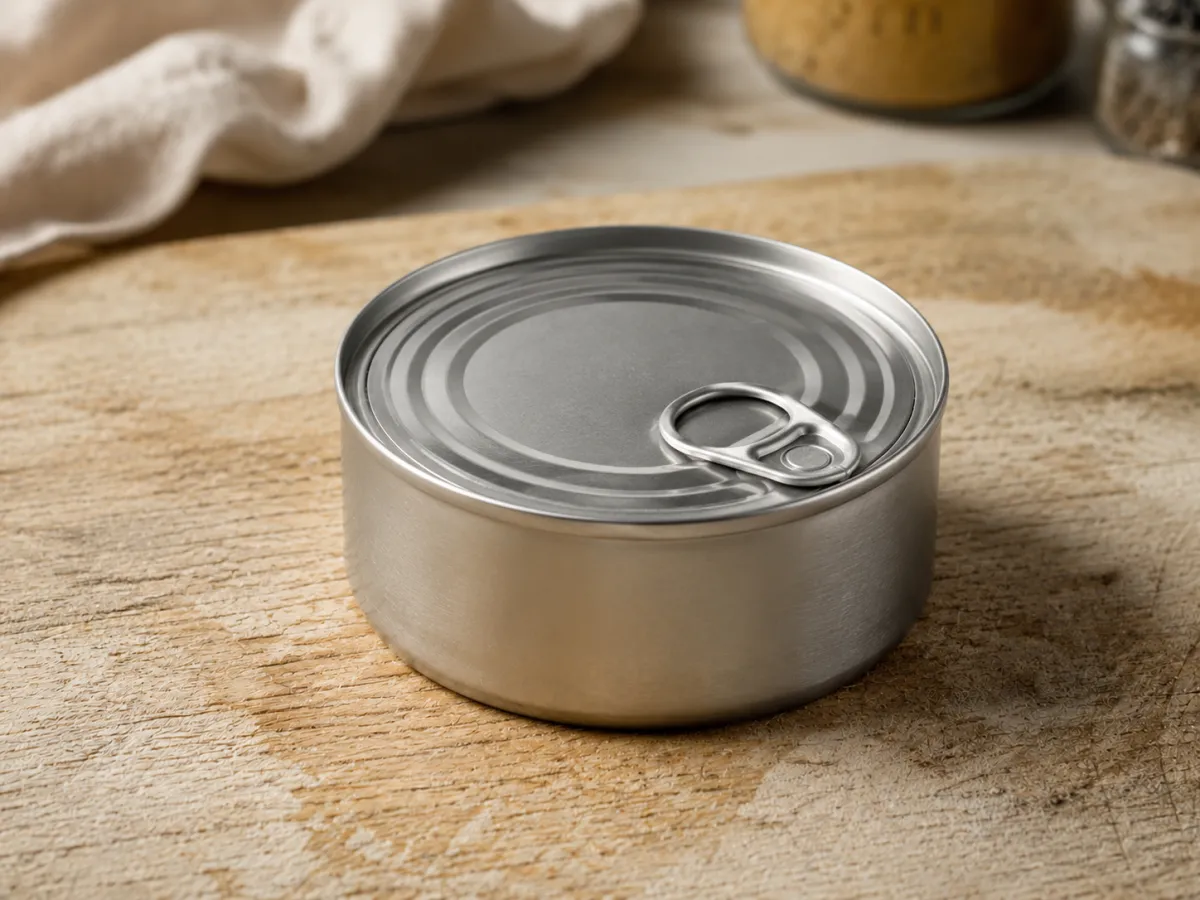
- Can is smooth with no dents, bulges, or rust
- Lid is flat and does not flex when pressed
- Best-by date is current or within range
- No hissing or spurting when opened
- Open and use directly
- Store in a cool, dark pantry until needed
Year 3–5 (Still Good)
3–5 years sealed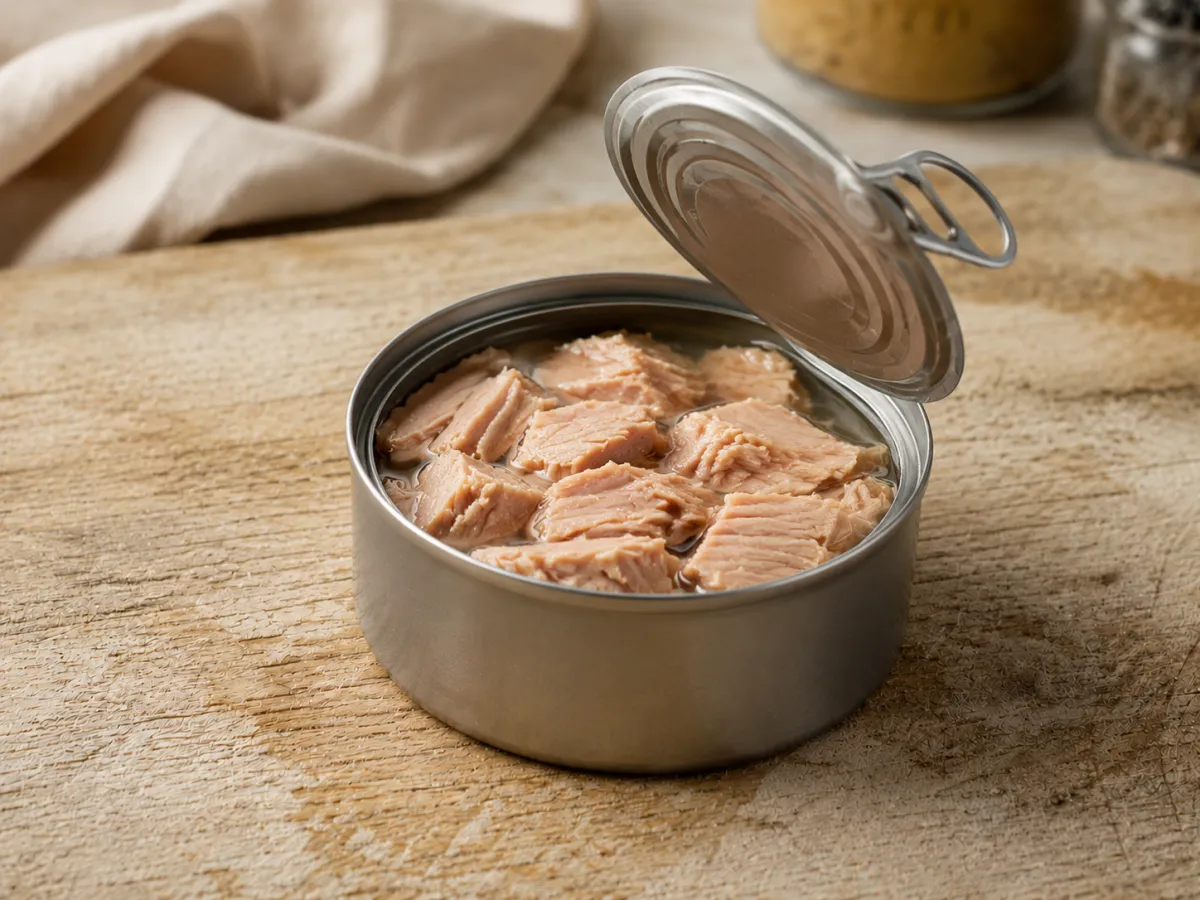
- Can remains structurally sound with no swelling
- Label may show minor wear but seams are intact
- Contents smell clean and briny when opened
- Flesh is firm and pale, liquid is clear or lightly cloudy
- Open and do a smell and visual check before eating
- Use in cooked dishes if uncertain about texture
- Donate before the date if you won't use it
Day 1–2 (Opened, Refrigerated)
1–2 days after opening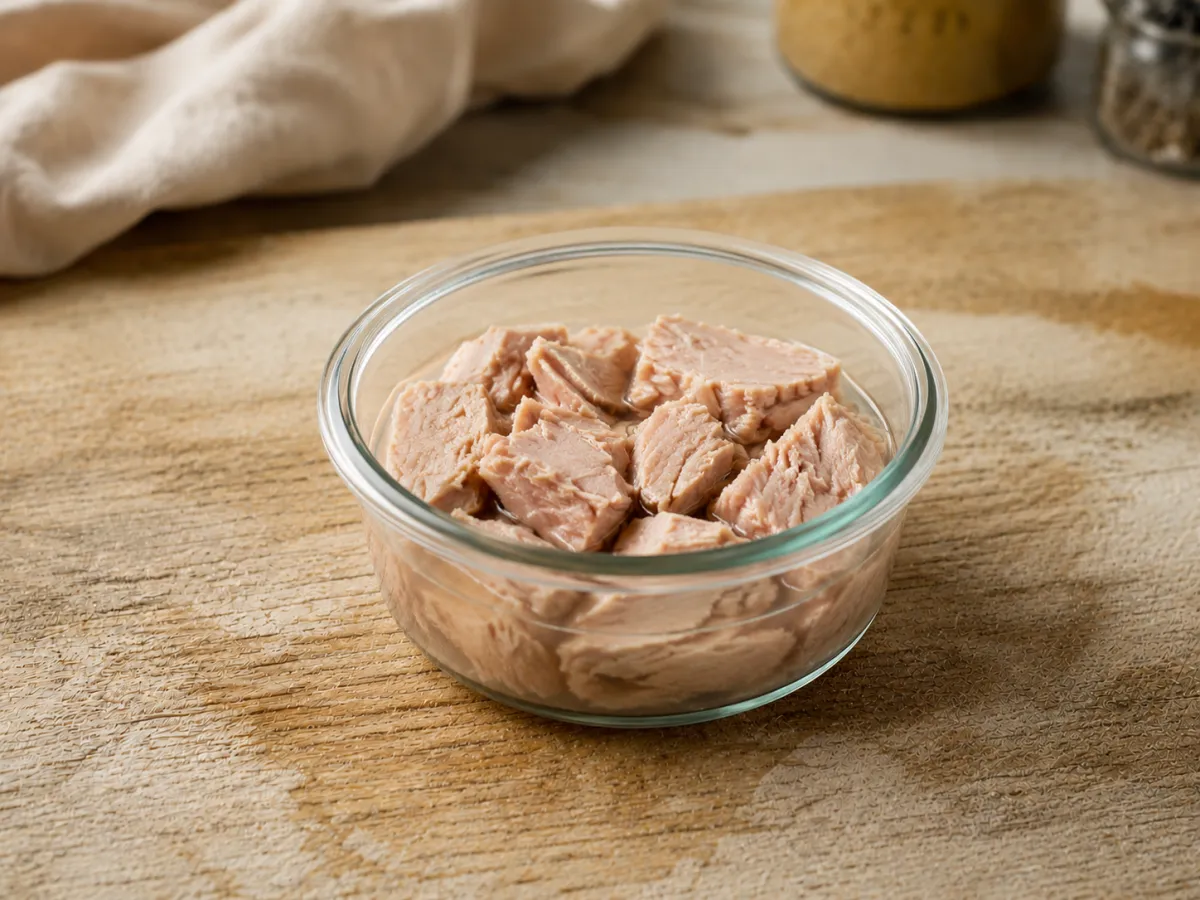
- Transferred to an airtight container in the fridge
- Smell is mild and oceanic, not sharp or sour
- Flesh color is consistent pale beige or pink
- Liquid is clear with no sliminess
- Use in sandwiches, salads, or pasta
- Keep covered in the refrigerator
Day 3–4 (Use It Up)
3–4 days after opening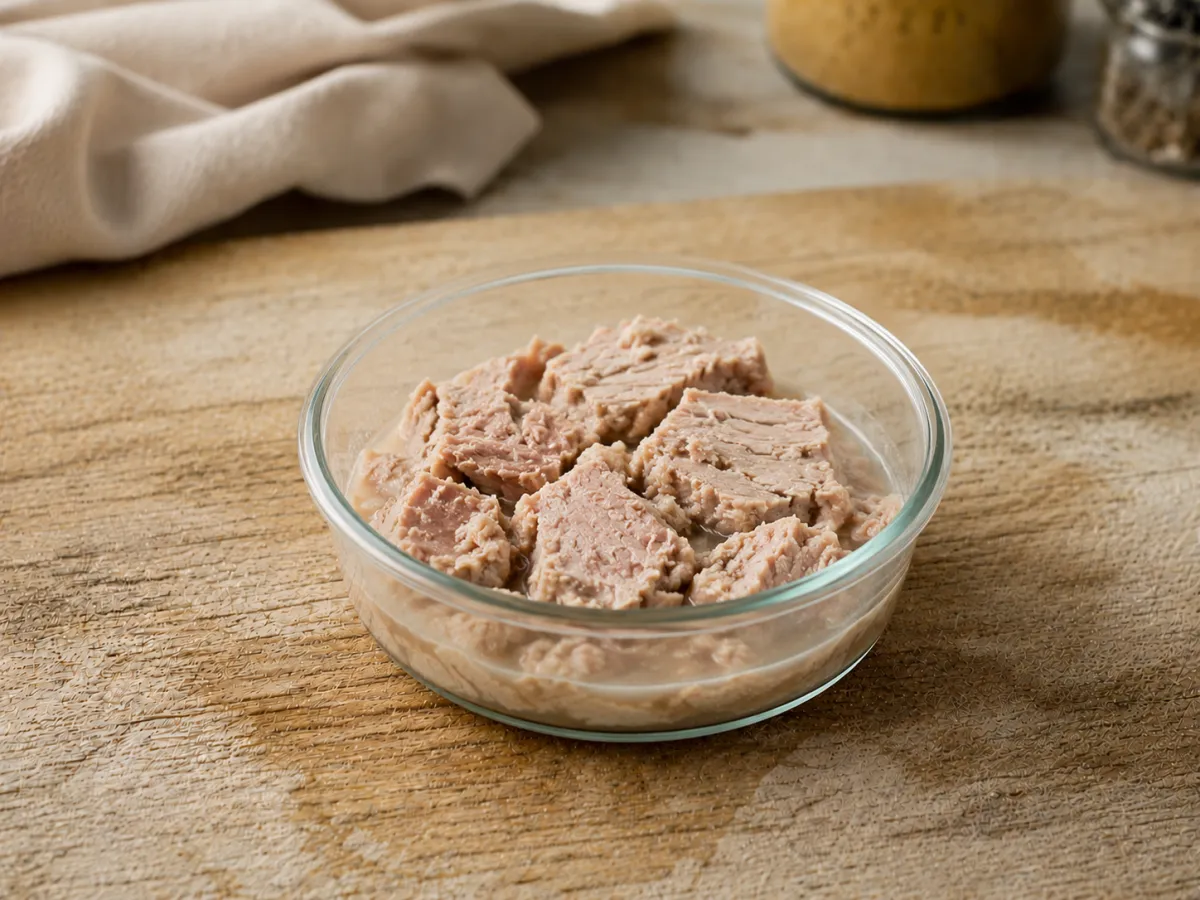
- Smell is noticeably fishier than when first opened
- Texture may be slightly softer or more crumbly
- Liquid may appear slightly cloudy or thicker
- Color is still acceptable but may look duller
- Use immediately in a cooked dish like a tuna melt or casserole
- Do a thorough smell check before eating cold
- Discard if any off-odor or sliminess is present
Day 5 (Toss It)
5+ days after opening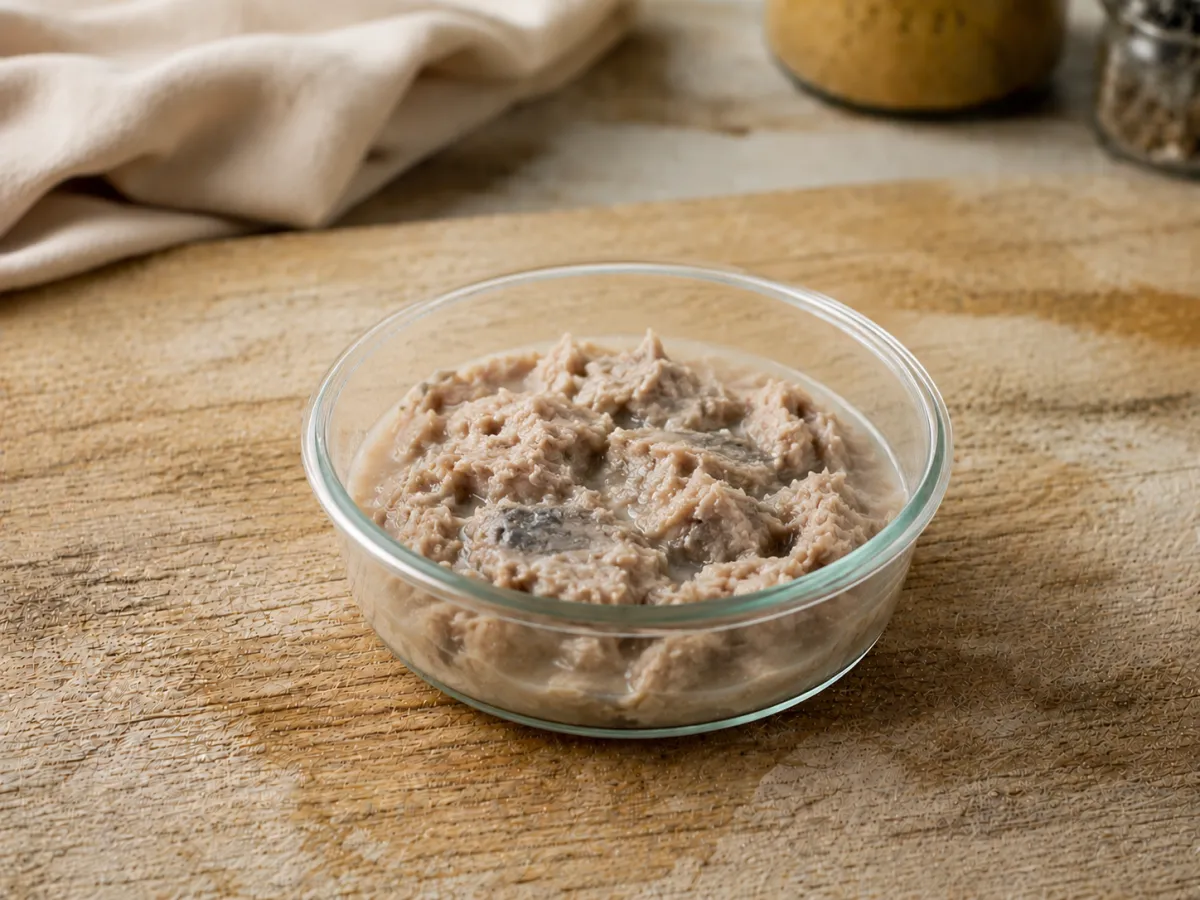
- Strong sour or ammonia-like odor
- Flesh is mushy, slimy, or discolored gray or brown
- Visible liquid is thick, opaque, or off-color
- Any mold growth on surface
- Discard immediately
- Do not taste-test — off odor alone is sufficient reason to toss
Common questions
Is canned tuna safe to eat past the best-by date?
Often yes, if the can is undamaged and properly stored. Best-by dates indicate peak quality, not a hard safety cutoff. Inspect the can and smell the contents after opening. Sage's Verdict: trust the can's condition over the printed date — a bulge or bad smell overrules any date.
What does a bulging or dented can mean?
A bulging lid signals gas produced by bacterial activity inside — discard without opening. Deep dents along a seam can compromise the seal and allow contamination. Side-body dents away from seams are usually cosmetic but still worth a close look before use.
Can I freeze leftover opened canned tuna?
Yes. Transfer drained tuna to a freezer-safe bag or container and freeze for up to 3 months. Texture becomes softer after thawing, so it works best in cooked applications like casseroles or patties rather than cold salads.
Why does my canned tuna smell stronger than usual?
Tuna naturally has a pronounced fishy aroma, but it should be oceanic rather than sour, ammonia-like, or rancid. Oil-packed tuna tends to smell milder than water-packed. A sharp or fermented odor after opening is a spoilage signal regardless of the date.
Does the type of liquid — oil vs. water — affect shelf life?
Shelf life for sealed cans is similar either way. Once opened, oil-packed tuna may stay palatable slightly longer because the oil limits air exposure, but the safe window is still 3–4 days refrigerated for both types.
Should I rinse canned tuna before eating it?
Rinsing is a personal preference, not a safety step. It reduces sodium in water-packed tuna and removes excess oil in oil-packed varieties. It has no effect on spoilage status — if the tuna smells off, rinsing will not make it safe.

Canned tuna is one of the most shelf-stable proteins around, but once the lid is off, the clock ticks like any other seafood. Keep it cold, keep it covered, and use it within four days.