
How to Store Bread Flour for Maximum Freshness
How to Store and Identify Fresh Bread Flour
Bread flour stays fresh for 6–8 months when stored in a cool, dry pantry.
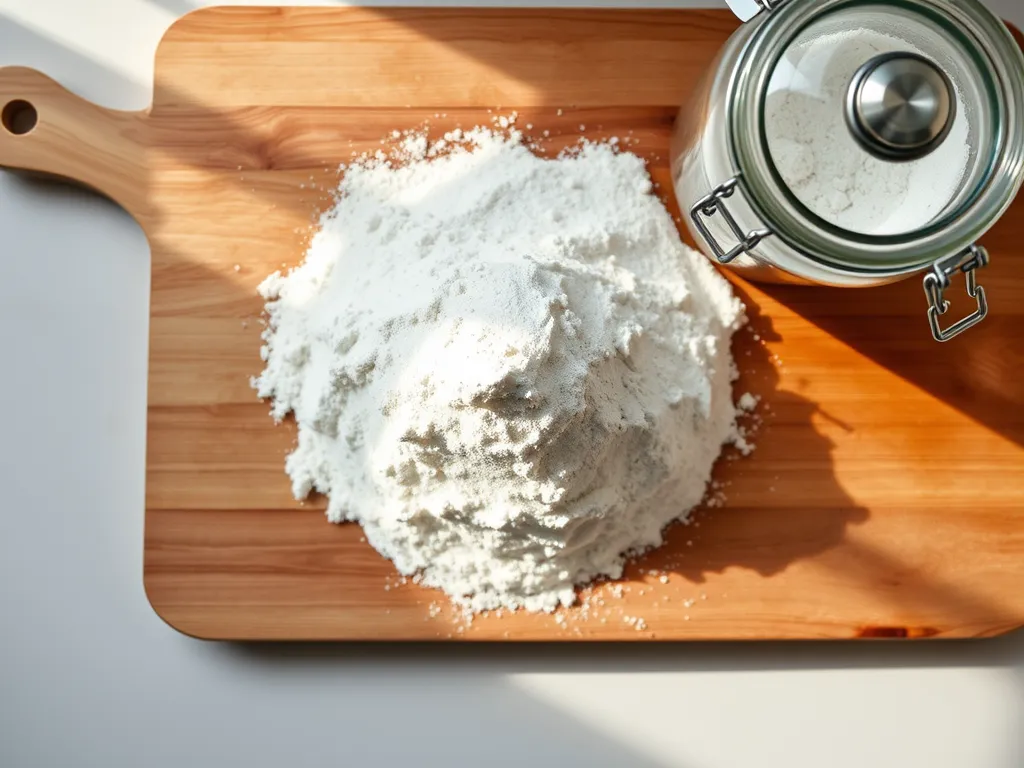
Maintaining the quality of bread flour is essential for achieving the perfect crumb structure and crust in your baked goods. As a dry pantry staple, its primary enemies are moisture, pests, and heat. When kept in an airtight container within a stable environment, bread flour retains its protein integrity and flavor profile much longer than if left exposed to the air. Understanding the signs of aging—ranging from minor clumping to the development of off-scents—helps you determine exactly when it is time to refresh your pantry staples. Proper storage ensures your yeast has the best possible environment to thrive, resulting in consistent baking results every time.
Heads up: shelf-life ranges are estimates based on home storage. We make no guarantee of accuracy. When unsure, throw it out.
The full timeline
Month 1 (Peak Fresh)
0–1 month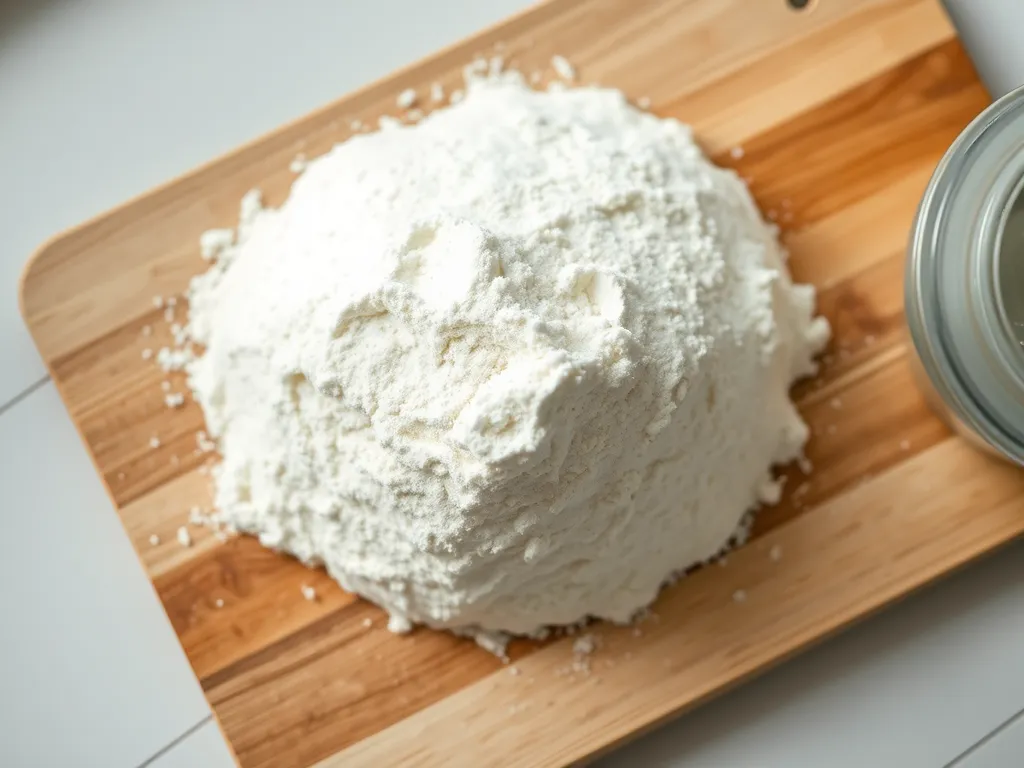
- Fine, powdery texture
- Bright white color
- Neutral aroma
- Bake artisan breads
- Make delicate pastries
Month 3 (Good Quality)
2–4 months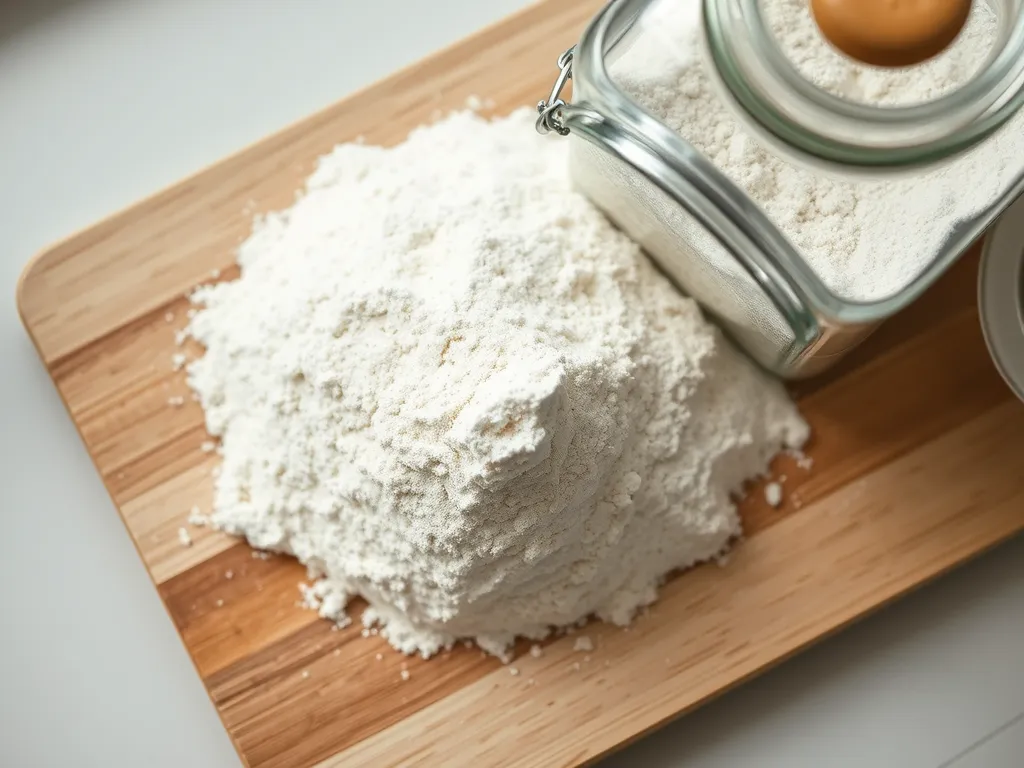
- Slightly denser texture
- Stable color
- Consistent appearance
- Bake standard loaves
- Make pancakes or waffles
Month 6 (Past Prime)
5–7 months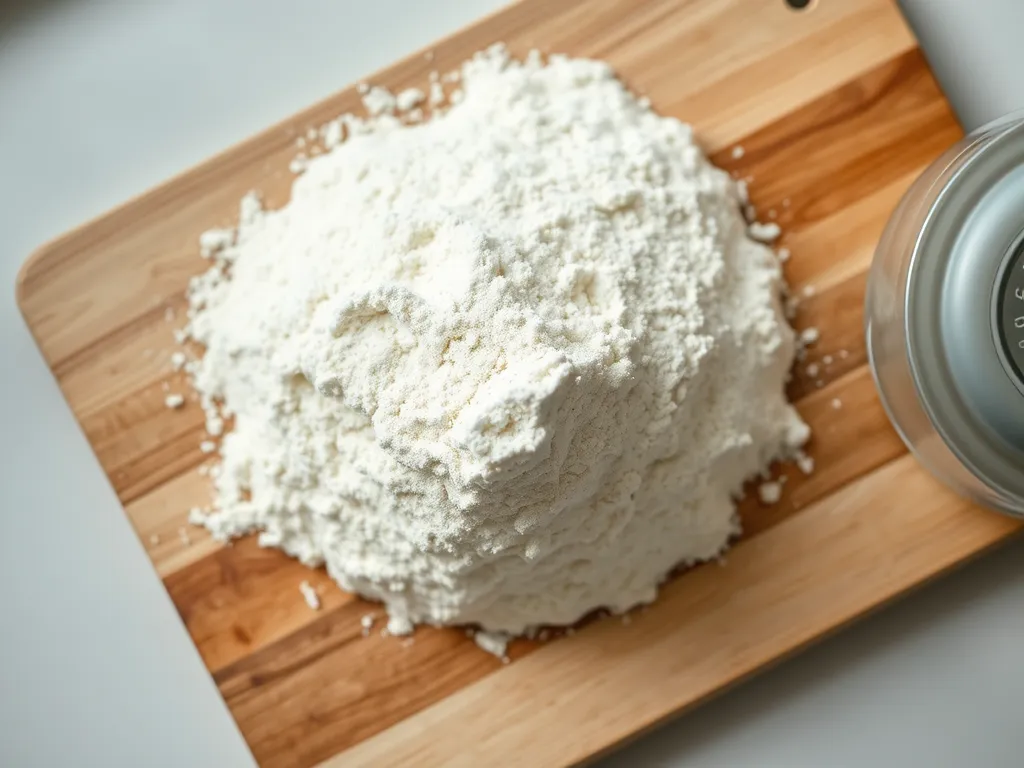
- Small visible clumps
- Slightly duller white color
- Denser consistency
- Bake hearty breads
- Use in dense doughs
Month 8 (Toss)
8 months+
- Visible mold spots
- Musty or sour odor
- Significant clumping that won't break apart
- Toss in the trash
Common questions
How long does bread flour stay fresh?
Bread flour stays fresh for 6–8 months when stored in a cool, dry pantry.
What is the best way to store bread flour to maintain its quality?
To maximize freshness, store your flour in an airtight container in a cool, dry location like a pantry. This prevents moisture and pests from affecting the texture.
Can I still use bread flour if it has small clumps?
Small clumps are often caused by minor moisture exposure. If the flour smells fresh and shows no signs of mold, it is safe to use for baking hearty breads.
How can I tell if my bread flour has gone bad?
Check for a musty odor, visible mold growth, or significant clumping that does not break apart when pressed. If any of these are present, the flour should be discarded.
Can I freeze bread flour to make it last longer?
Yes, freezing bread flour in an airtight container can extend its life beyond the 8-month pantry window. Use it quickly once thawed.

Keep your bread flour in an airtight container to maintain its quality for months of successful baking!