
How to Store Bolognese Sauce Safely
Storage Guide & Safety Timeline
Bolognese sauce lasts 3–4 days in the refrigerator when stored in an airtight container.
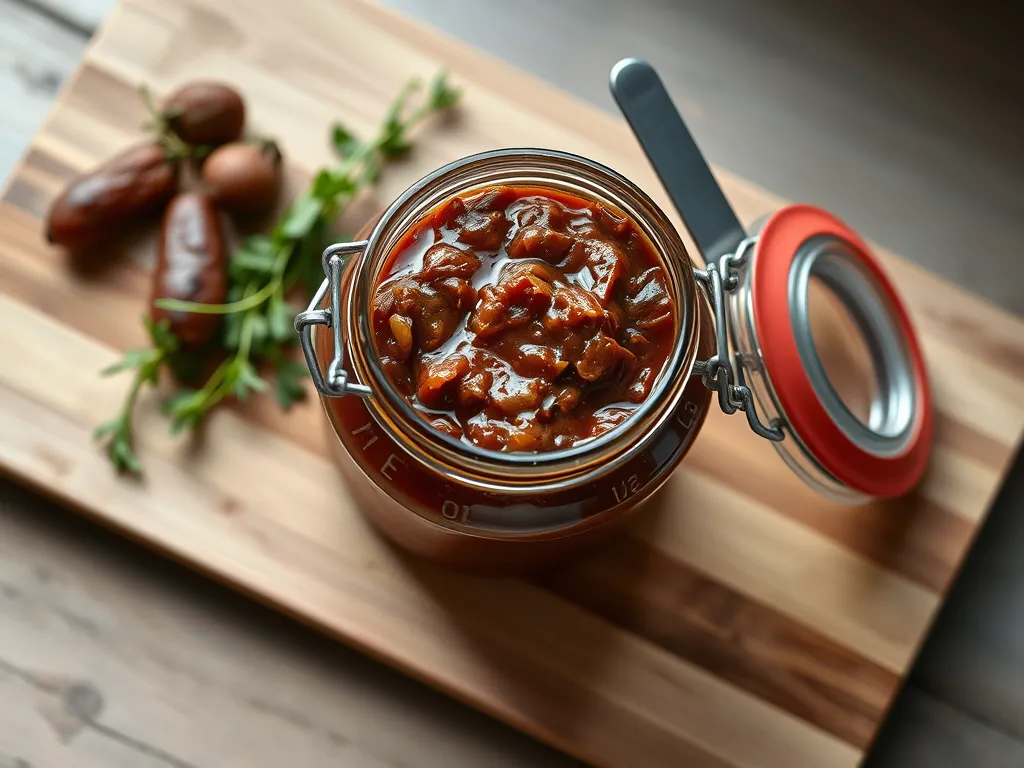
Bolognese sauce is a rich, slow-cooked staple that packs a punch of flavor. Because it contains meat and often includes fats like butter or oil, it requires proper handling to stay safe for consumption. When stored correctly in the refrigerator, this hearty sauce maintains its texture and taste for several days. If you find yourself with a large batch, freezing is an excellent way to preserve the depth of flavor for months to come. Proper containment is key—using airtight containers prevents the sauce from absorbing other fridge odors while keeping the moisture locked in.
Heads up: shelf-life ranges are estimates based on home storage. We make no guarantee of accuracy. When unsure, throw it out.
The full timeline
Day 1 (Peak Fresh)
0–24 hours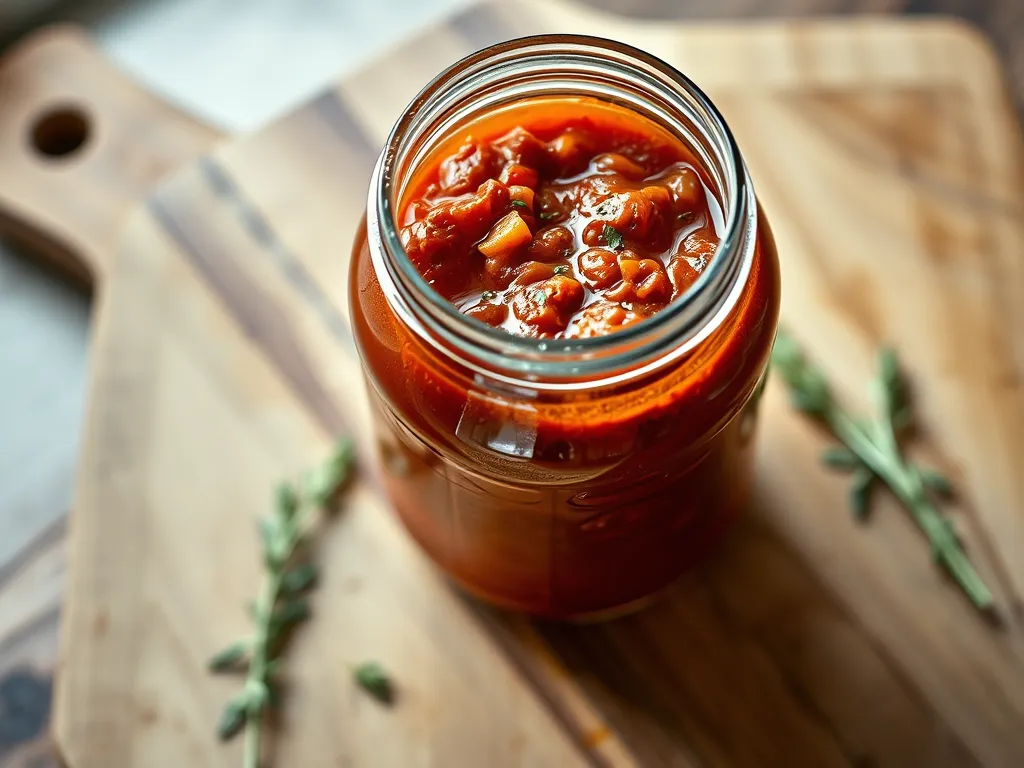
- vibrant red color
- thick, hearty texture
- rich savory aroma
- Refrigerate for 1-4 days
- Freeze for long-term storage
Day 2 (Still Fresh)
24–48 hours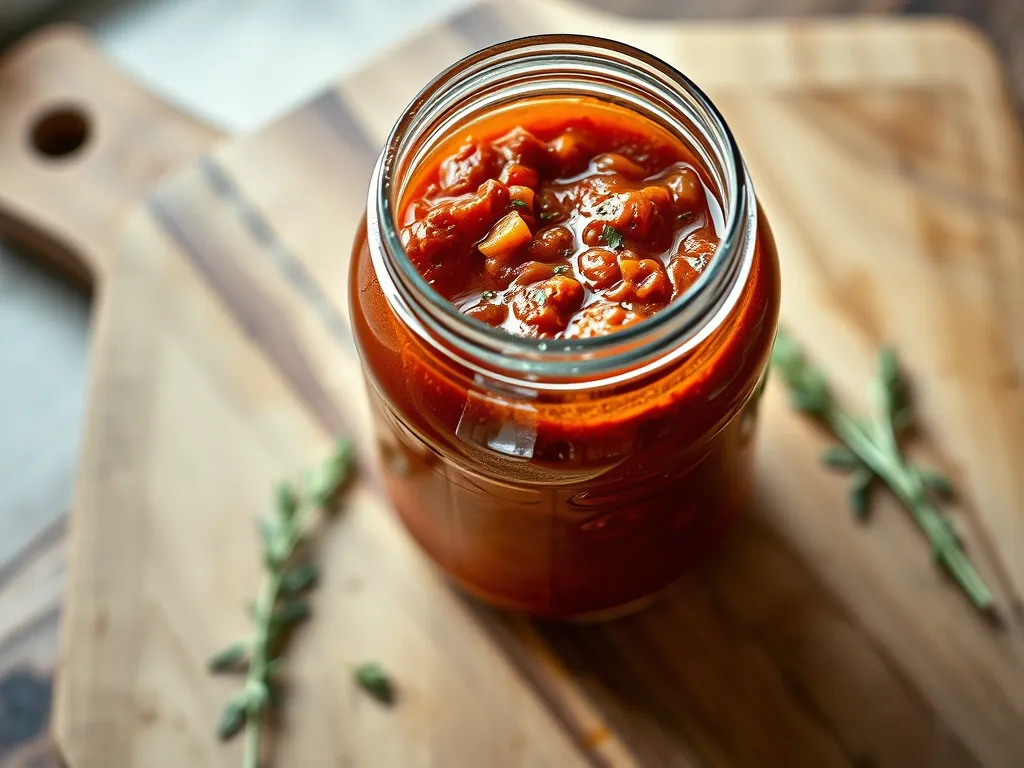
- stable consistency
- deep red hue
- no noticeable change in smell
- Refrigerate
- Freeze for later
Day 3 (Caution Zone)
48–72 hours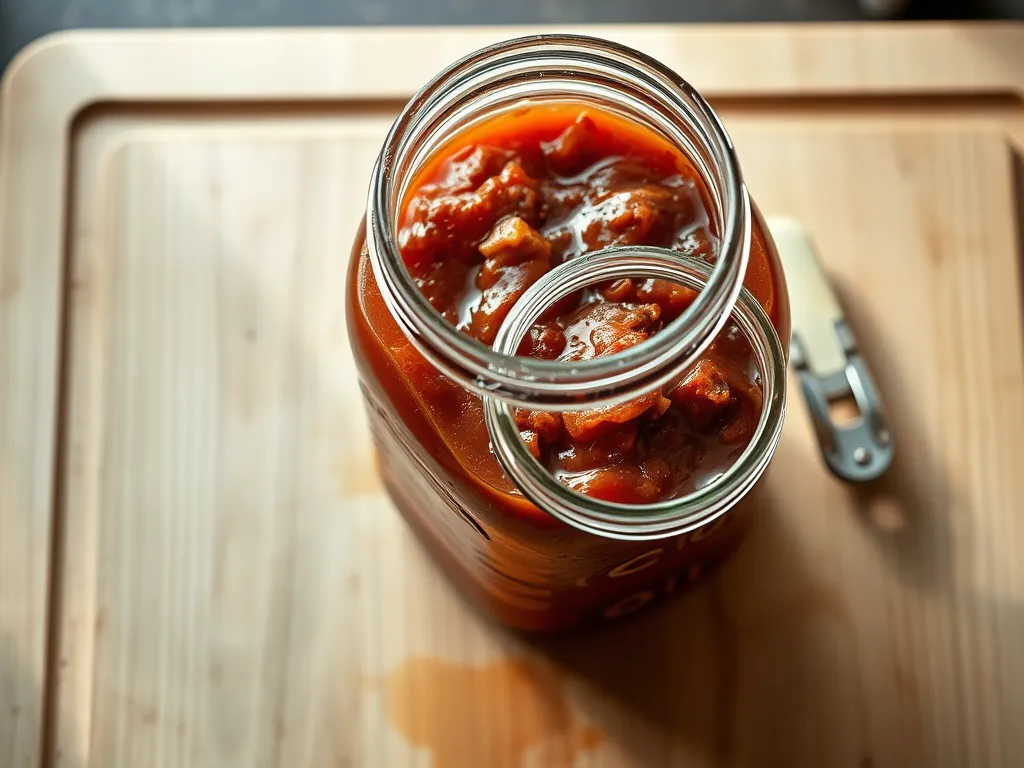
- slight darkening of color
- minor separation of fats or liquids
- dull surface appearance
- Use immediately
- Freeze for later
Day 4 (Tipping Point)
72–96 hours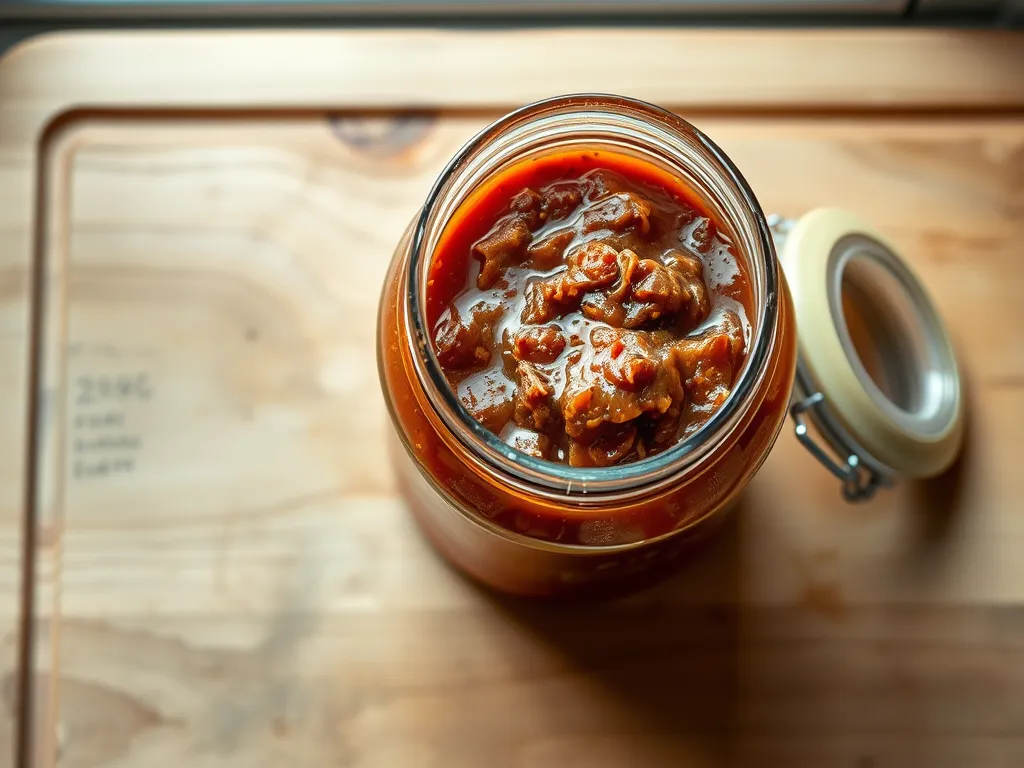
- sour or off odor
- thinning or watery texture
- cloudy appearance
- Toss
Common questions
How long can I keep bolognese sauce in the refrigerator?
Bolognese sauce lasts 3–4 days in the refrigerator when stored in an airtight container. To maintain peak flavor and safety, ensure it is sealed tightly before chilling.
Can I freeze bolognese sauce for later use?
Yes. Bolognese freezes well for up to 3 months. It maintains its flavor effectively when thawed in the fridge or reheated on the stovetop.
Is it safe to reheat old bolognese sauce?
Only if the sauce was kept at a safe temperature and consumed within the 3-4 day refrigerator window. Reheating does not make spoiled food safe to eat.
Why does my sauce look different after a few days?
Oxidation and cooling can cause the sauce to darken slightly or develop a surface skin, but these physical changes do not necessarily mean the sauce is unsafe.

A hearty sauce is only worth eating if it's fresh and safe. If you are unsure about its quality, discard it.