
Is Blue Cheese Safe in the Freezer?
Freezer Storage & Safety Guide
Blue cheese lasts about 6 months in the freezer.
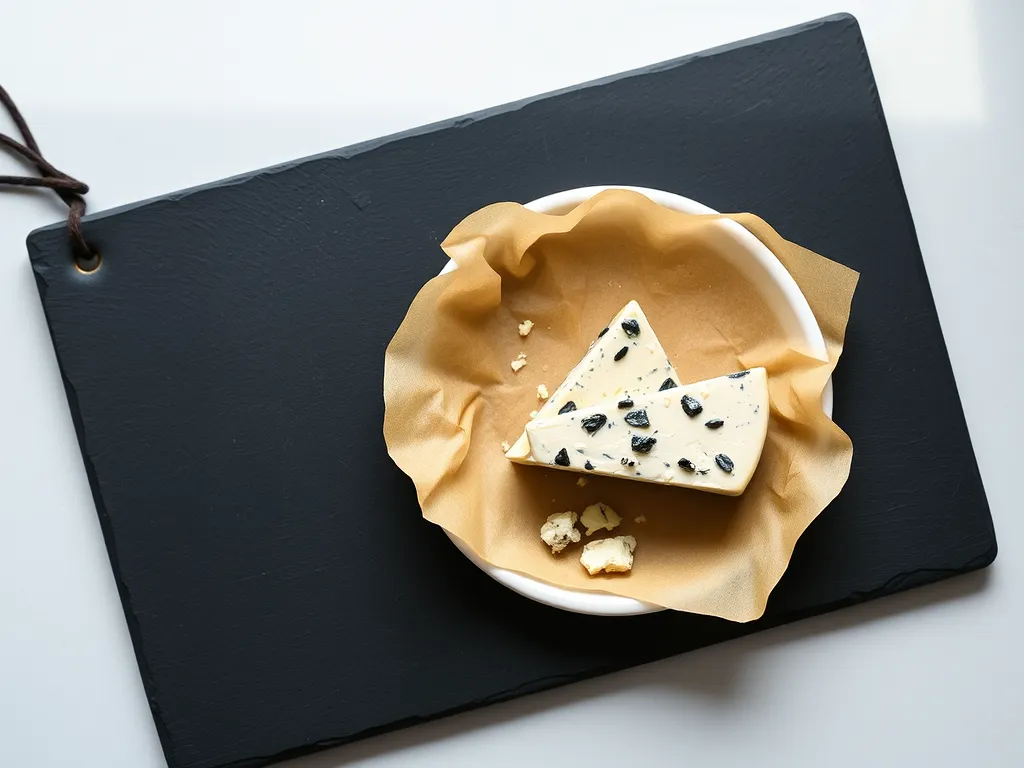
Blue cheese handles freezing better than many soft cheeses, but you should expect significant changes in texture. Once thawed, it often becomes crumbly, dry, or slightly mealy rather than creamy. For safety, keep your blue cheese tightly sealed and stored at a steady temperature to maintain usability for up to 6 months. After thawing, the window for peak quality closes quickly. Always inspect the cheese before use; if you encounter sliminess, an ammonia-like scent, or mold colors that differ from the natural blue-green veining, discard it immediately. Using your senses is the most reliable way to ensure the cheese is still safe to eat.
Heads up: shelf-life ranges are estimates based on home storage. We make no guarantee of accuracy. When unsure, throw it out.
The full timeline
Day 1 (Peak Fresh)
0 days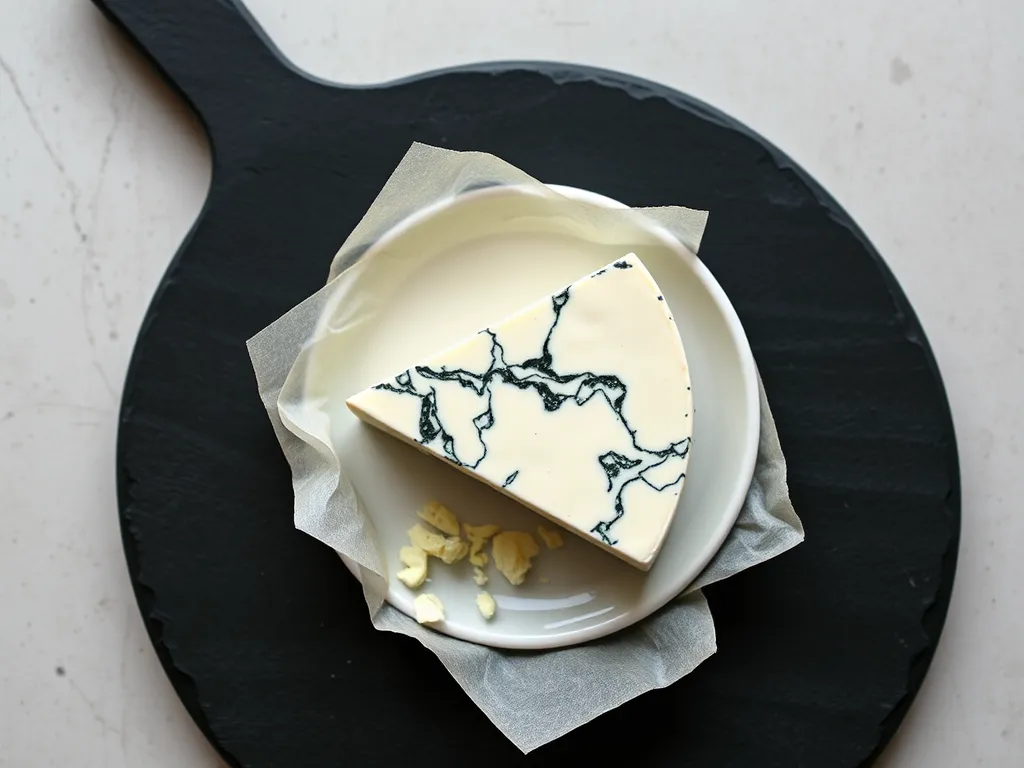
- Pale cream interior with characteristic blue-green veining
- Edges appear firm and moist without being wet
- Surface has a matte appearance rather than looking shiny or slimy
- Keep frozen for long-term storage
- Use immediately for best texture
Day 30–90 (Chilly Drift)
1–3 months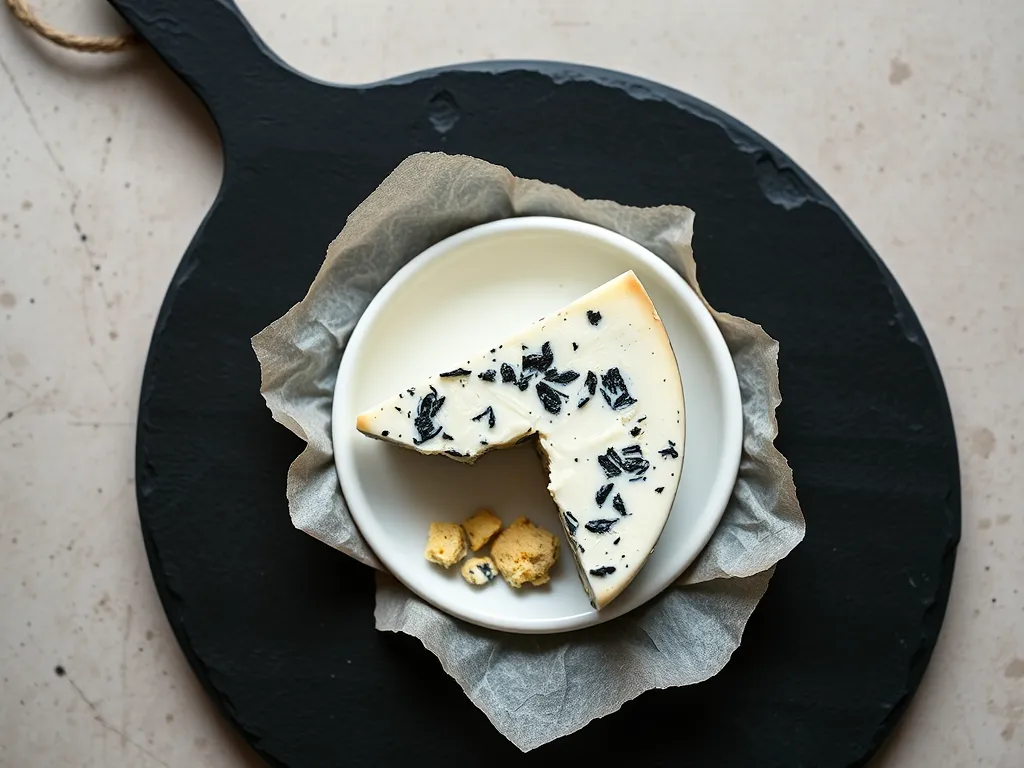
- Veins may appear slightly muted in color
- The cut face of the cheese begins to look dry
- Texture becomes noticeably more crumbly upon thawing
- Continue freezing if not needed
- Crumble into cooked dishes or dressings
Day 91–180 (Quality Fade)
3–6 months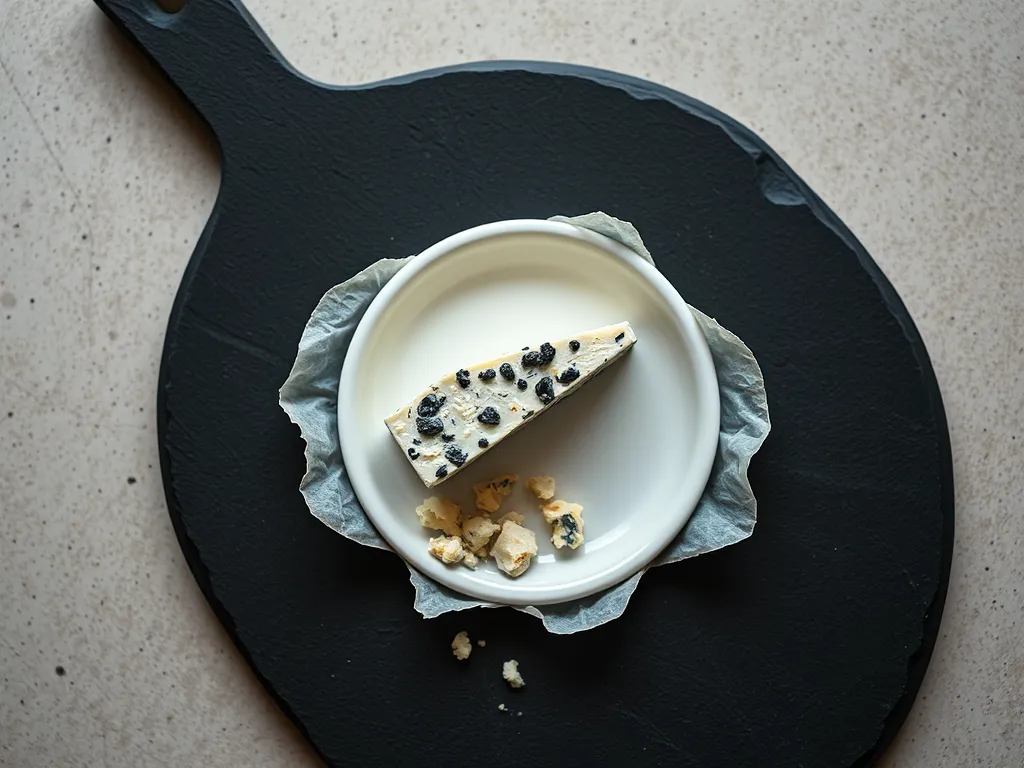
- Noticeable dryness on the surface
- Texture breaks apart easily when handled
- Flavor profile may taste sharper or flatter than fresh cheese
- Use promptly to avoid further degradation
- Incorporate into sauces or melted toppings
Day 181–210 (Post-Thaw Check)
6–7 months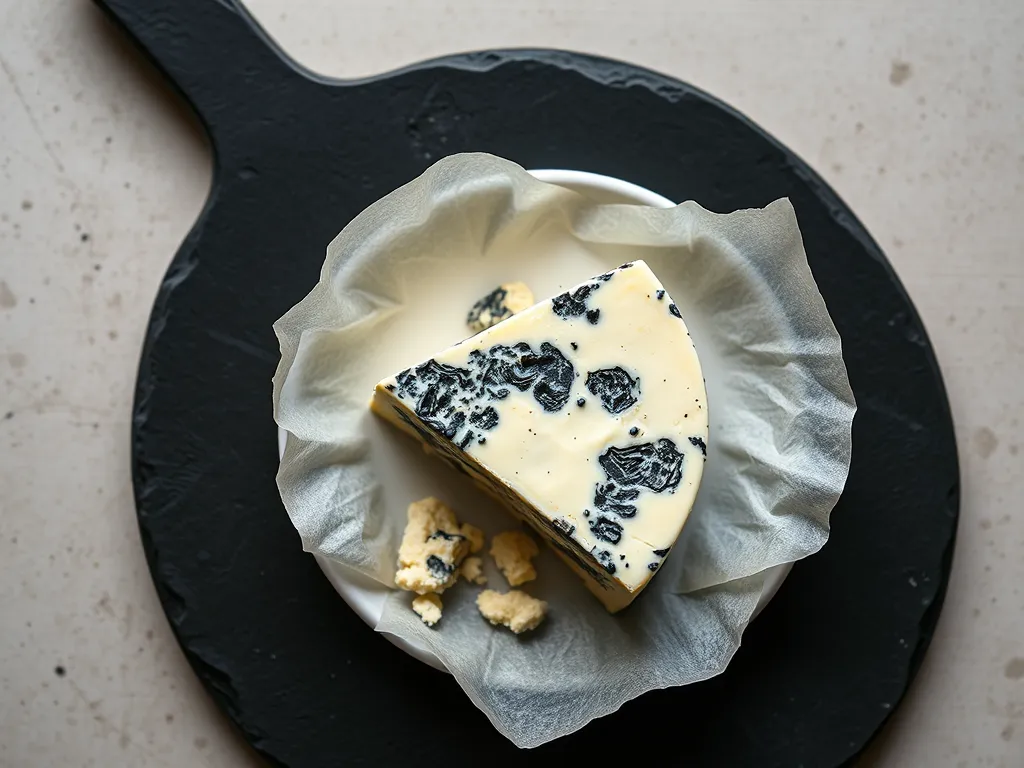
- Unpleasant or stale odor after thawing
- Slimy patches or a sticky surface texture
- Presence of unusual mold colors (e.g., black, pink, or fuzzy white)
- Toss immediately
- Discard to prevent cross-contamination
Common questions
How should I store blue cheese to keep it fresh?
Store blue cheese in an airtight container or wrapped tightly in foil or specialized cheese paper. Keep it refrigerated until you are ready to use it.
Can blue cheese be frozen?
Yes, blue cheese can be safely frozen for up to 6 months. Note that the texture will likely become more crumbly and dry once thawed, making it ideal for cooking rather than topping salads.
How do I know if my blue cheese has gone bad?
Look for signs of spoilage such as a slimy surface, an ammonia-like smell, or the growth of mold colors other than the natural blue-green veins.
Is it safe to eat thawed blue cheese?
It is safe to eat if it was kept consistently frozen and shows no signs of spoilage (smell, slime, or off-colors) after thawing. Use it quickly once it has been defrosted.

Blue cheese is safe in the freezer for about 6 months, but its texture changes significantly upon thawing. Plan to use thawed portions in cooked dishes where the crumbly texture won't matter.