
How Long Do Bay Scallops Last in the Fridge?
Freshness Guide & Safety Standards
Bay scallops last 1–2 days in the refrigerator when kept properly.
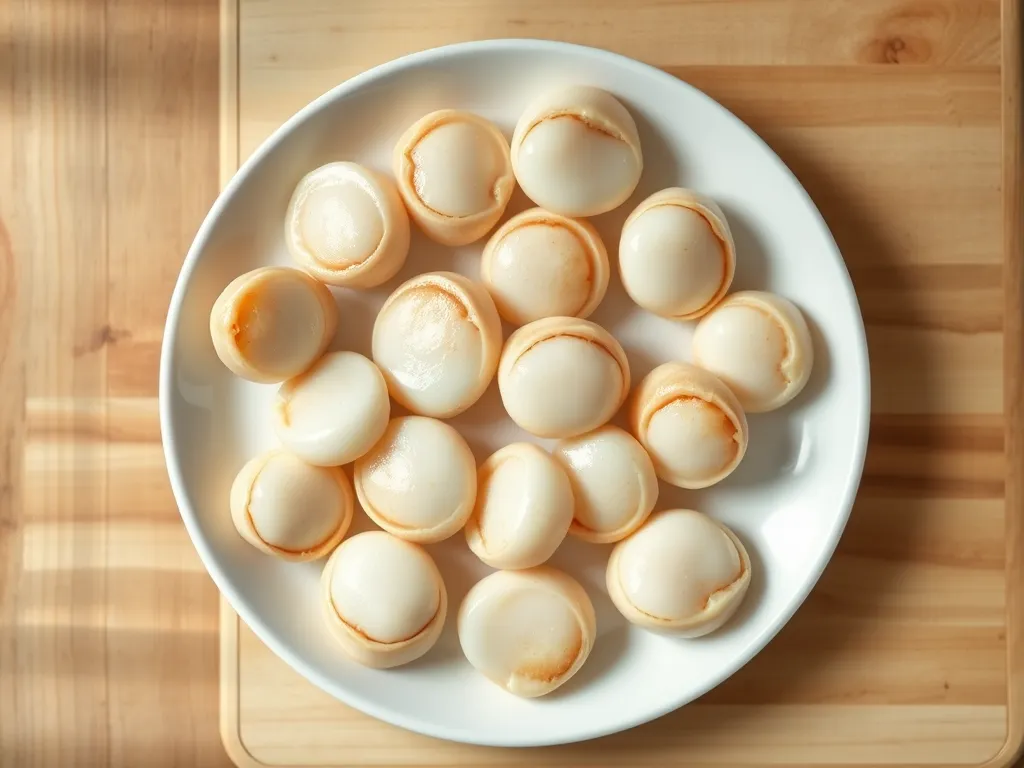
Bay scallops are a delicate seafood prized for their sweet flavor and tender texture. However, because they are highly perishable mollusks, they require strict temperature control to prevent bacterial growth. Their high moisture content means they can degrade rapidly if left uncovered or stored at improper temperatures. To ensure your meal is both delicious and safe, you must monitor them closely for changes in scent, color, and texture. Understanding these subtle indicators of spoilage is essential for preventing foodborne illness when preparing seafood dishes.
Heads up: shelf-life ranges are estimates based on home storage. We make no guarantee of accuracy. When unsure, throw it out.
The full timeline
Day 1 (Peak Fresh)
0–24 hours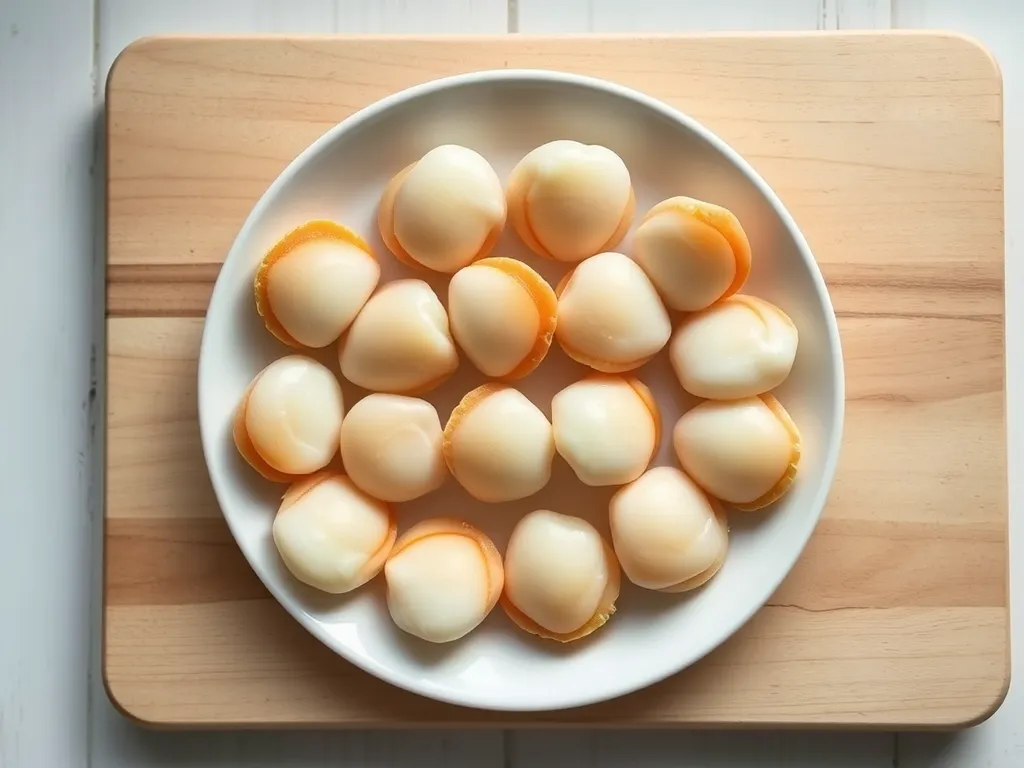
- Firm, plump texture
- Mild, clean ocean scent
- Creamy white or pale beige color
- Sauté with garlic and butter
- Grill with lemon zest
- Toss into a seafood risotto
Day 2 (Still Good)
24–48 hours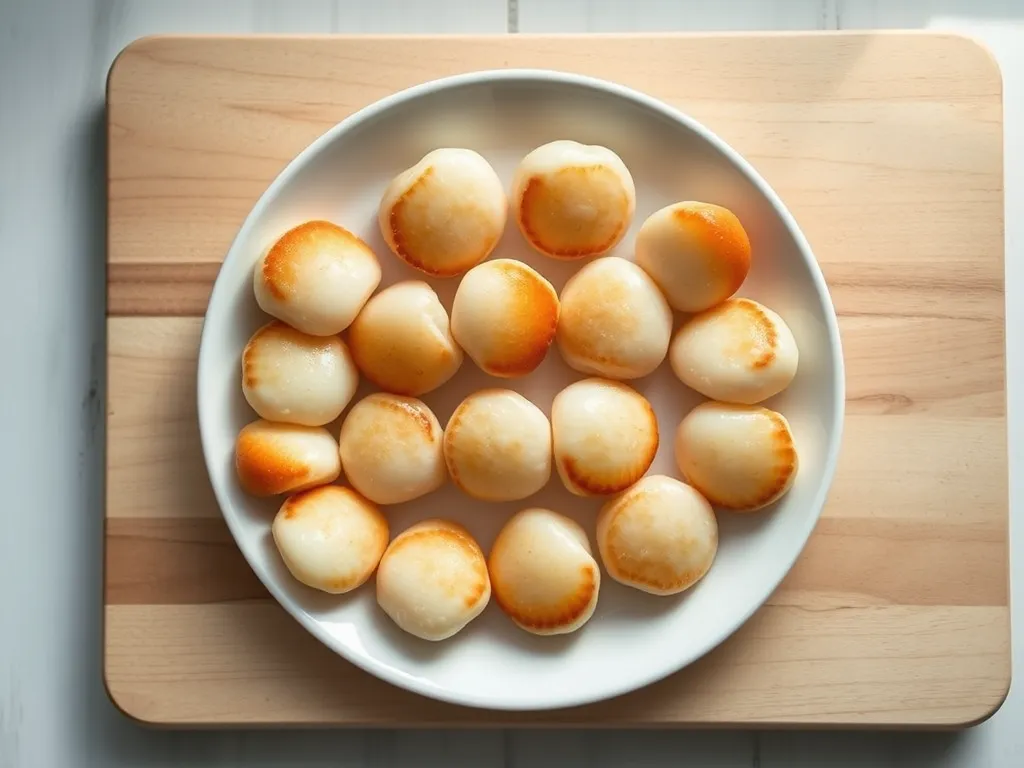
- Slightly softer texture
- Mild, lingering scent
- Moist, glistening surface
- Quick sear in a hot pan
- Steam with fresh herbs
Day 3 (Caution)
48–72 hours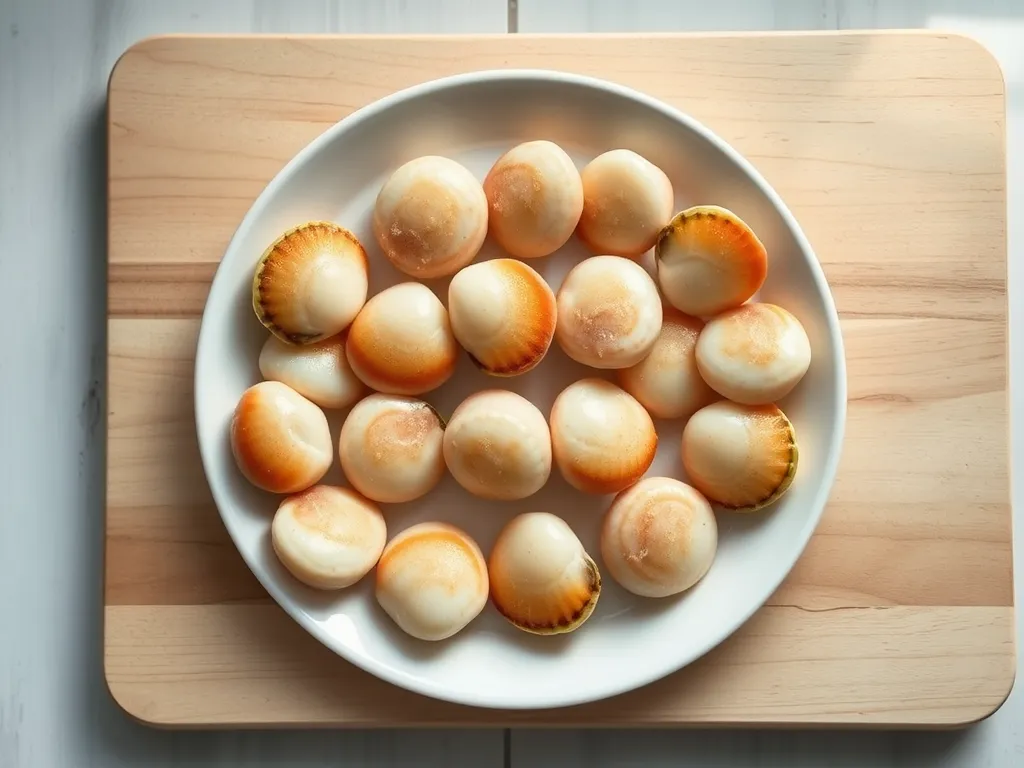
- Slimy surface film
- Faintly fishy odor
- Duller, less vibrant appearance
- Cook thoroughly to high temperature
- Discard if the odor intensifies
Day 4 (Unsafe)
Over 72 hours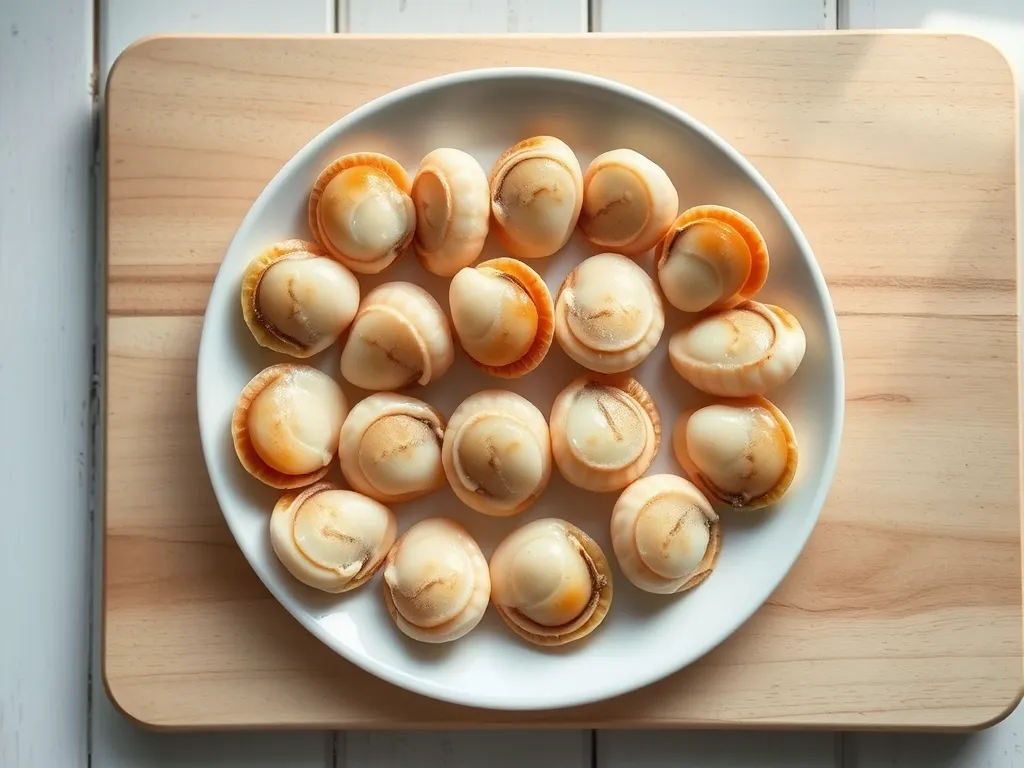
- Strong, unpleasant or ammonia-like odor
- Sticky or slimy texture
- Visible discoloration
- Discard immediately
Common questions
How long can I keep bay scallops in the refrigerator?
Bay scallops should be used within 1–2 days of purchase when stored properly in the refrigerator.
Can I freeze bay scallops to extend their shelf life?
Yes, you can freeze bay scallops for 3–6 months. Use airtight bags to prevent freezer burn and maintain texture.
How do I know if bay scallops have gone bad?
Check for a strong fishy or ammonia-like smell, a slimy texture, or any noticeable discoloration; these are signs of spoilage.
Is it safe to eat raw bay scallops?
No. Due to the risk of foodborne illness associated with raw mollusks, bay scallops should always be thoroughly cooked before eating.

Freshness is critical for seafood safety; if you notice any unusual odor or texture, discard them immediately.