
How to Tell If Apples Are Still Good
Freshness Guide for Apples
Apples last about 5–7 days on the counter.
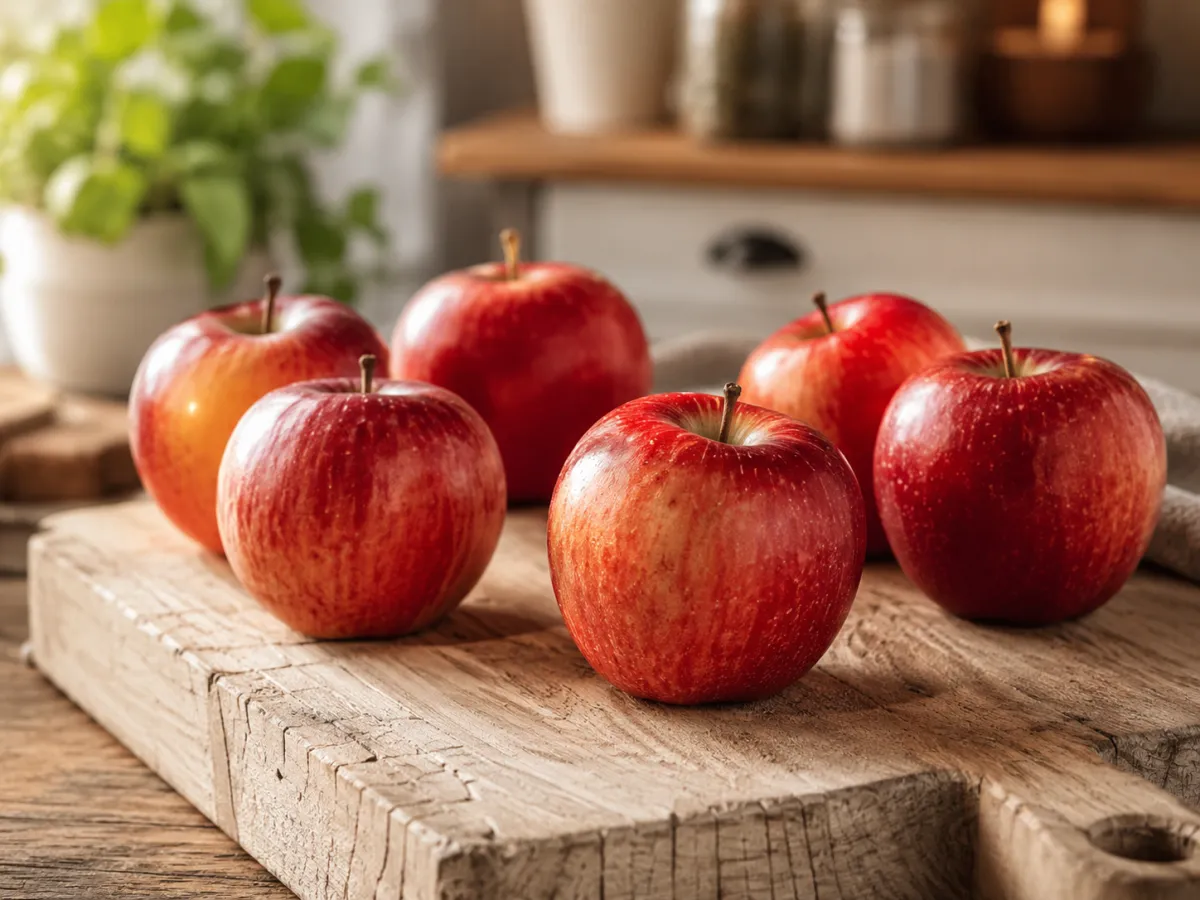
Apples are durable fruits, but their quality declines over time depending on storage conditions. At room temperature, most apples maintain peak crispness and flavor for about a week. To determine if an apple is still good, prioritize checking the firmness of the flesh and the condition of the skin. While minor blemishes are often harmless, signs like deep wrinkling, soft spots, or a fermented scent indicate the fruit has passed its prime. This guide explains how to evaluate apples stored in the pantry or on the counter, though refrigeration can significantly extend their lifespan for those seeking longer-term storage.
Heads up: shelf-life ranges are estimates based on home storage. We make no guarantee of accuracy. When unsure, throw it out.
The full timeline
Day 1 (Peak Fresh)
fresh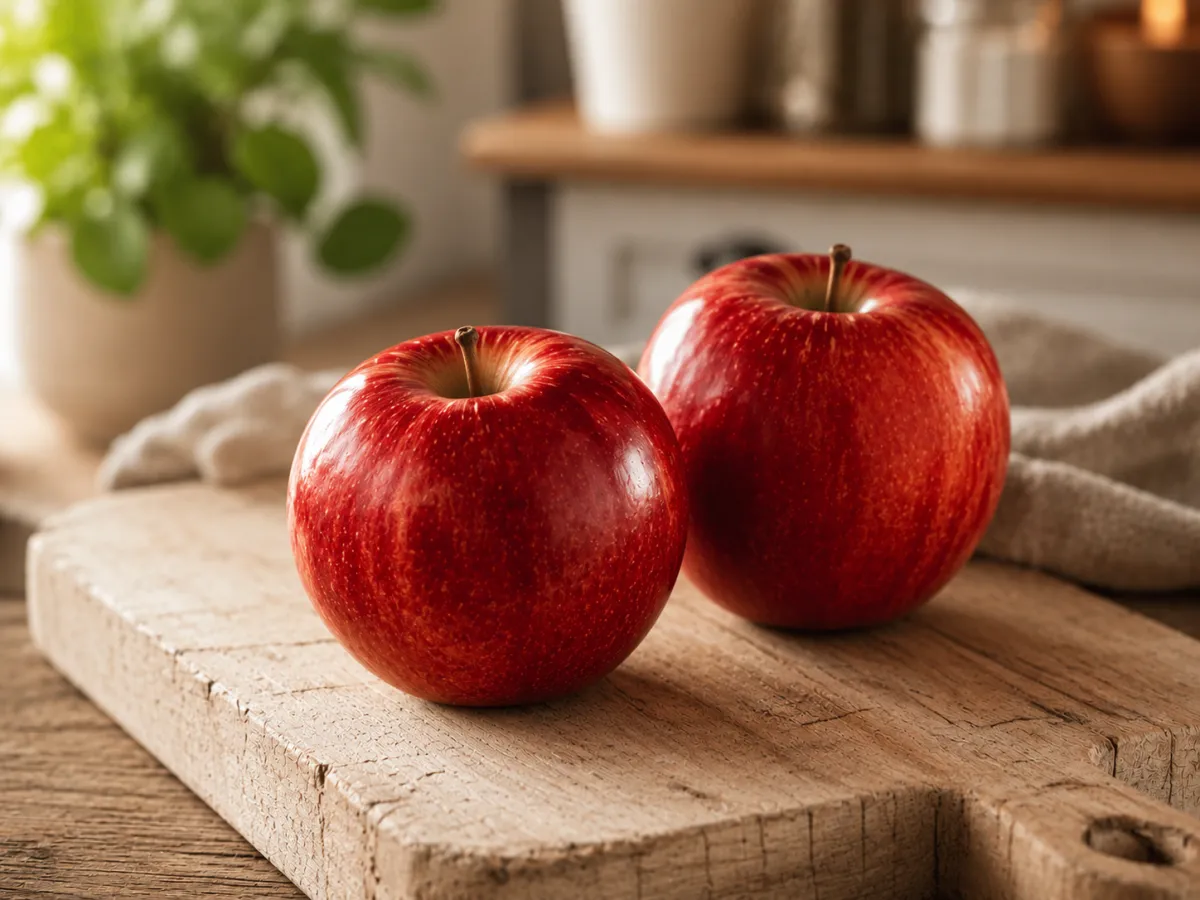
- Skin is taut, glossy, and vibrant
- Flesh feels hard and crisp when pressed
- Color is consistent across the surface
- Eat fresh
- Store for later
Day 3 (A Bit Tired)
3 days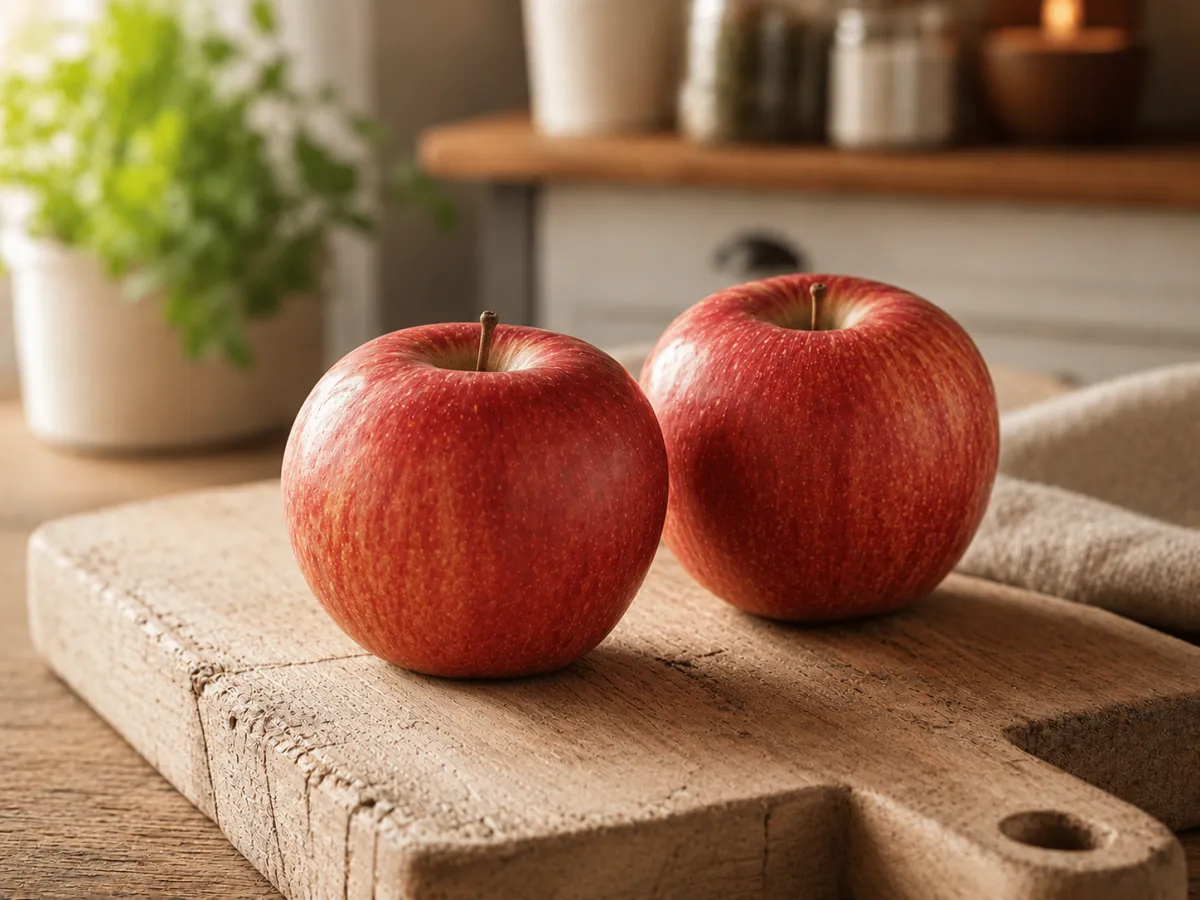
- Skin luster begins to fade slightly
- Small, isolated bruises may be present
- Overall texture remains firm
- Eat now
- Trim away bruised areas
Day 5–7 (Past Prime)
5–7 days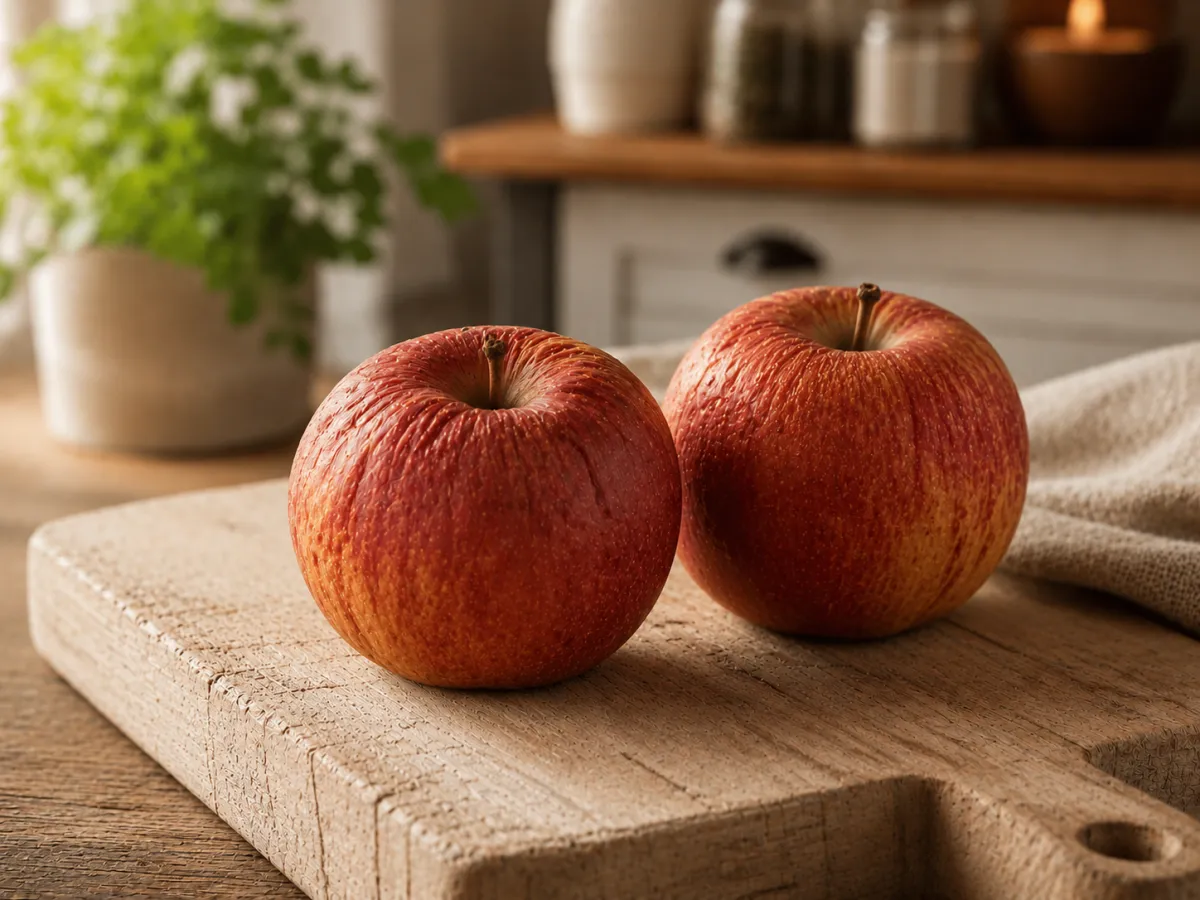
- Skin shows visible wrinkling or shriveling
- Flesh feels softer or gives under pressure
- Taste may become mealy, bland, or flat
- Eat soon
- Use in baking or sauces
Day 8–10 (Spoiled Signs)
8–10 days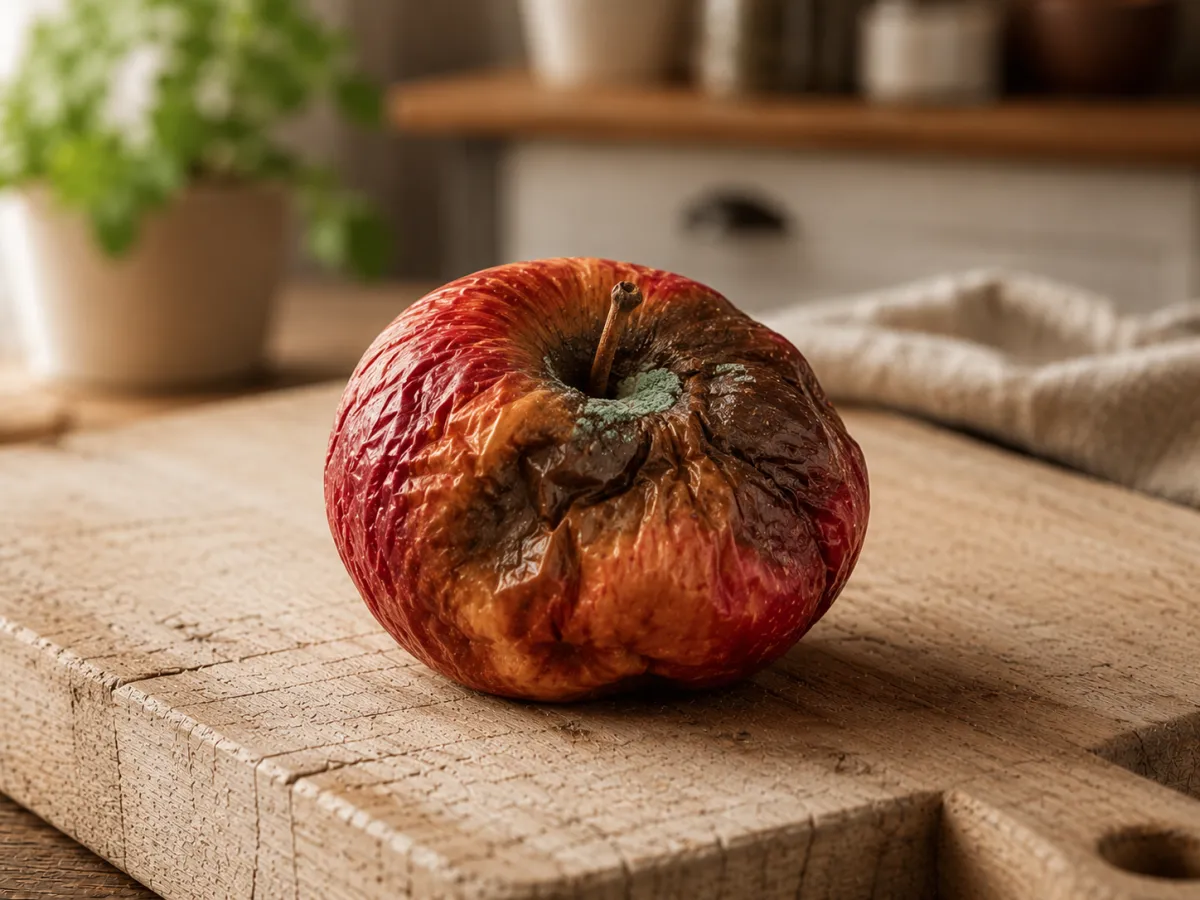
- Strong sour, boozy, or fermented aroma
- Mushy areas that spread or collapse
- Presence of mold or leaking fluids
- Discard
- Toss in compost
Common questions
How long do apples last on the counter versus the refrigerator?
Apples typically stay fresh for 5–7 days on the counter. In the refrigerator, they can maintain their quality for 4–6 weeks because cold temperatures slow the softening process.
What is the best way to store apples for maximum shelf life?
The most effective way to maximize shelf life is refrigeration. While counter storage works for a few days, keeping apples in the fridge preserves firmness and prevents mealy texture over several weeks.
Can you eat an apple that has bruises?
Yes, bruised apples are safe to eat as long as the rest of the fruit is firm and smells normal. Simply cut away the bruised section before eating; however, toss the apple if the bruise is wet, moldy, or smells sour.
Is it safe to eat a wrinkled apple?
Wrinkling is a sign of moisture loss. If the apple is still firm and clean, it is generally safe but may be less crisp. If wrinkling is accompanied by mushiness or mold, discard it.
How can you tell if an apple has gone bad by smell?
A spoiled apple will emit a fermented, boozy, or sour odor. This scent indicates the presence of yeast or decay, meaning the fruit is no longer fit for consumption.
Can apples be frozen for later use?
Yes, apples can be frozen, but the freezing process breaks down their cell structure, making them soft. Frozen apples are best used in cooked recipes like pies or apple sauce rather than eaten raw.

Firmness is your primary indicator for apples. If the skin is wrinkled and the flesh feels soft, it's past its prime. If you detect a fermented smell or see mold, discard the fruit immediately.